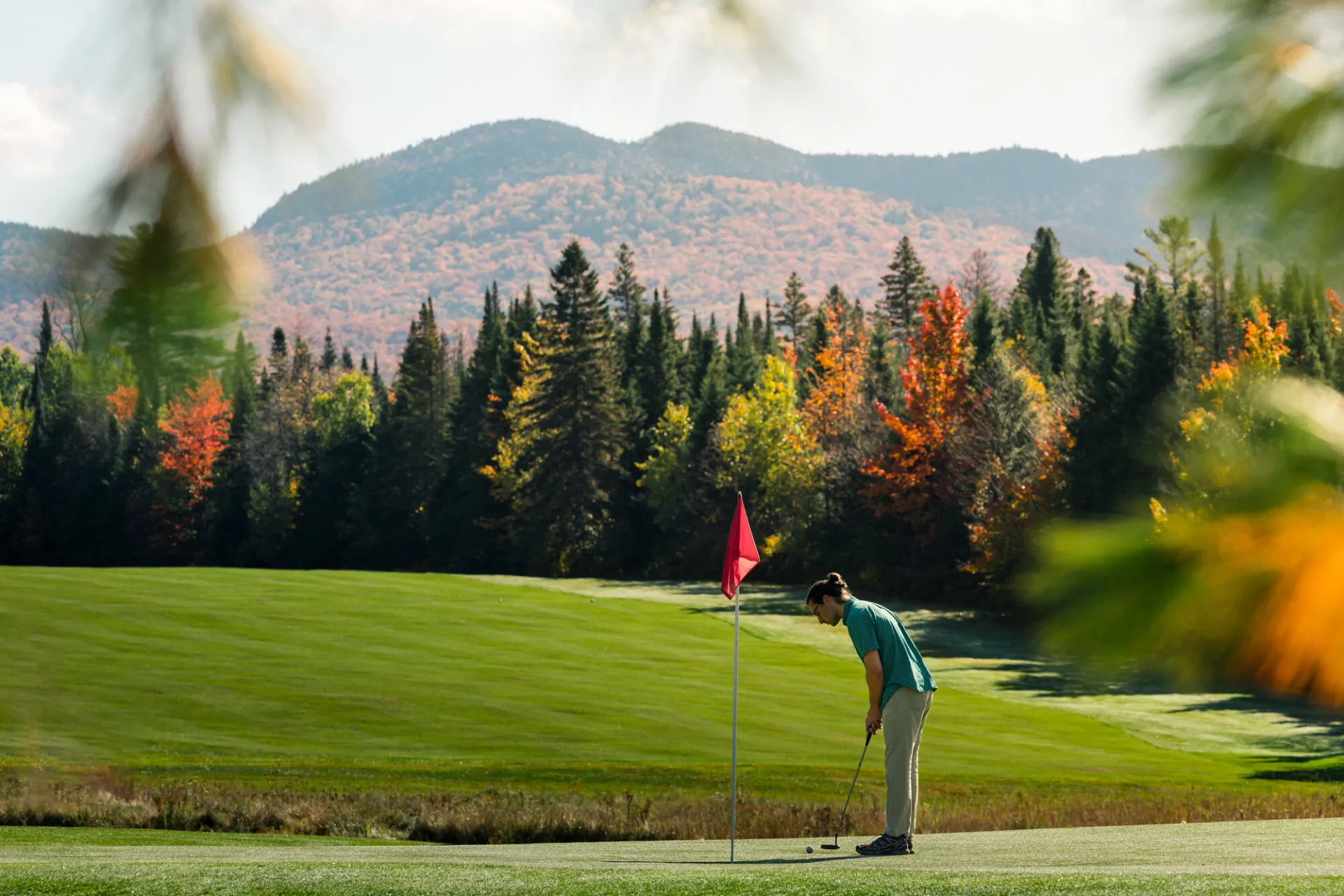
A slower kind of travel
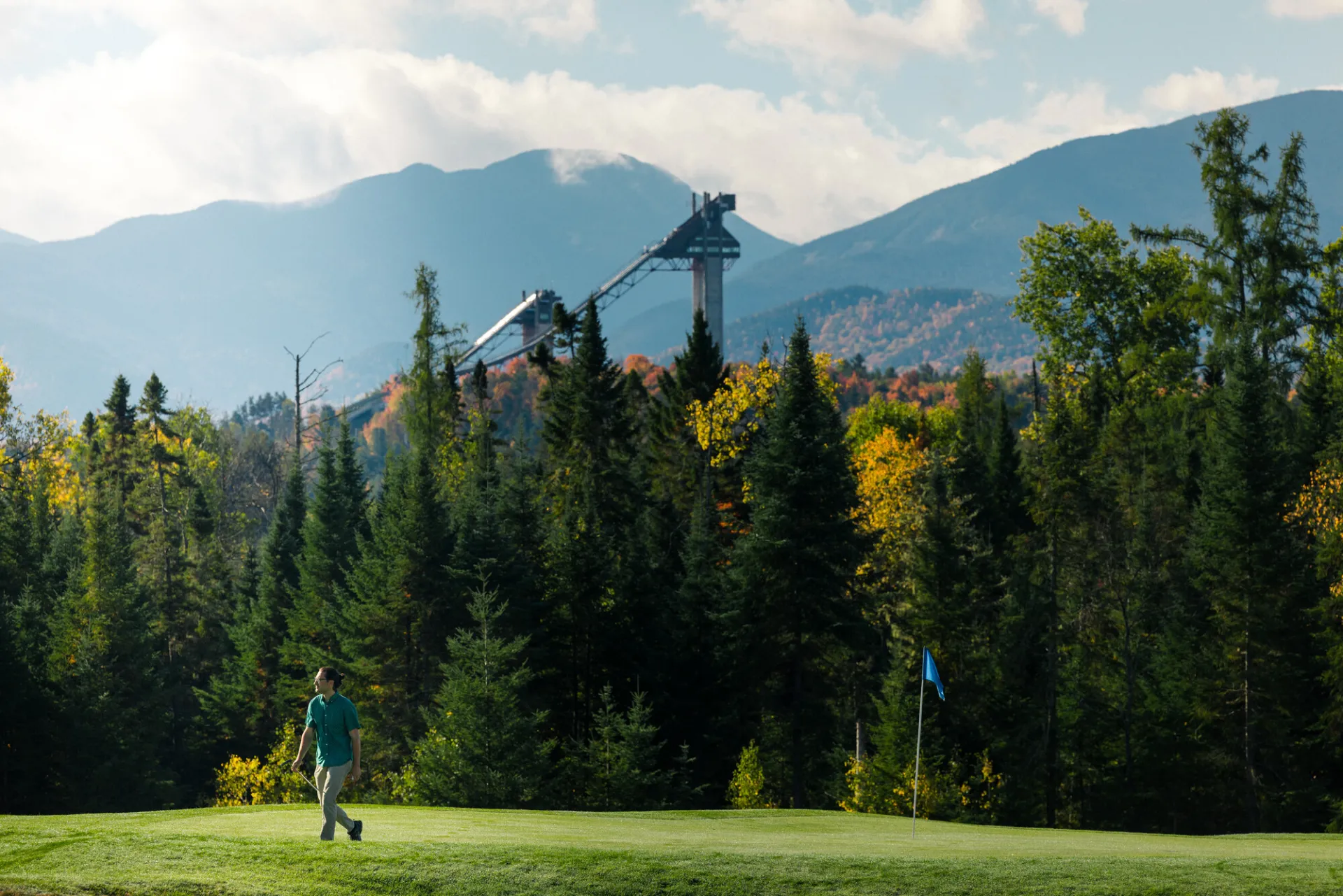
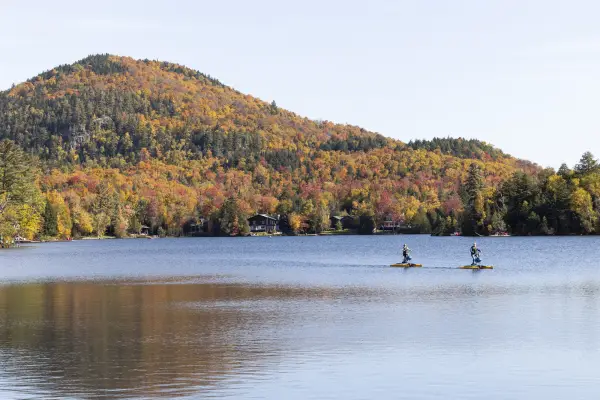
Some of the best parts of a golf trip have nothing to do with the scorecard. It’s about the pace itself, the long walk between holes, the quiet of a fairway backed by mountains just beginning to turn. In Lake Placid, autumn adds a dimension that few golf destinations can claim: a landscape in transition, with the High Peaks catching color while the courses below hold their green a little longer. For golfers who value the experience as much as the game, fall in Lake Placid delivers on both.
A legacy written into the land
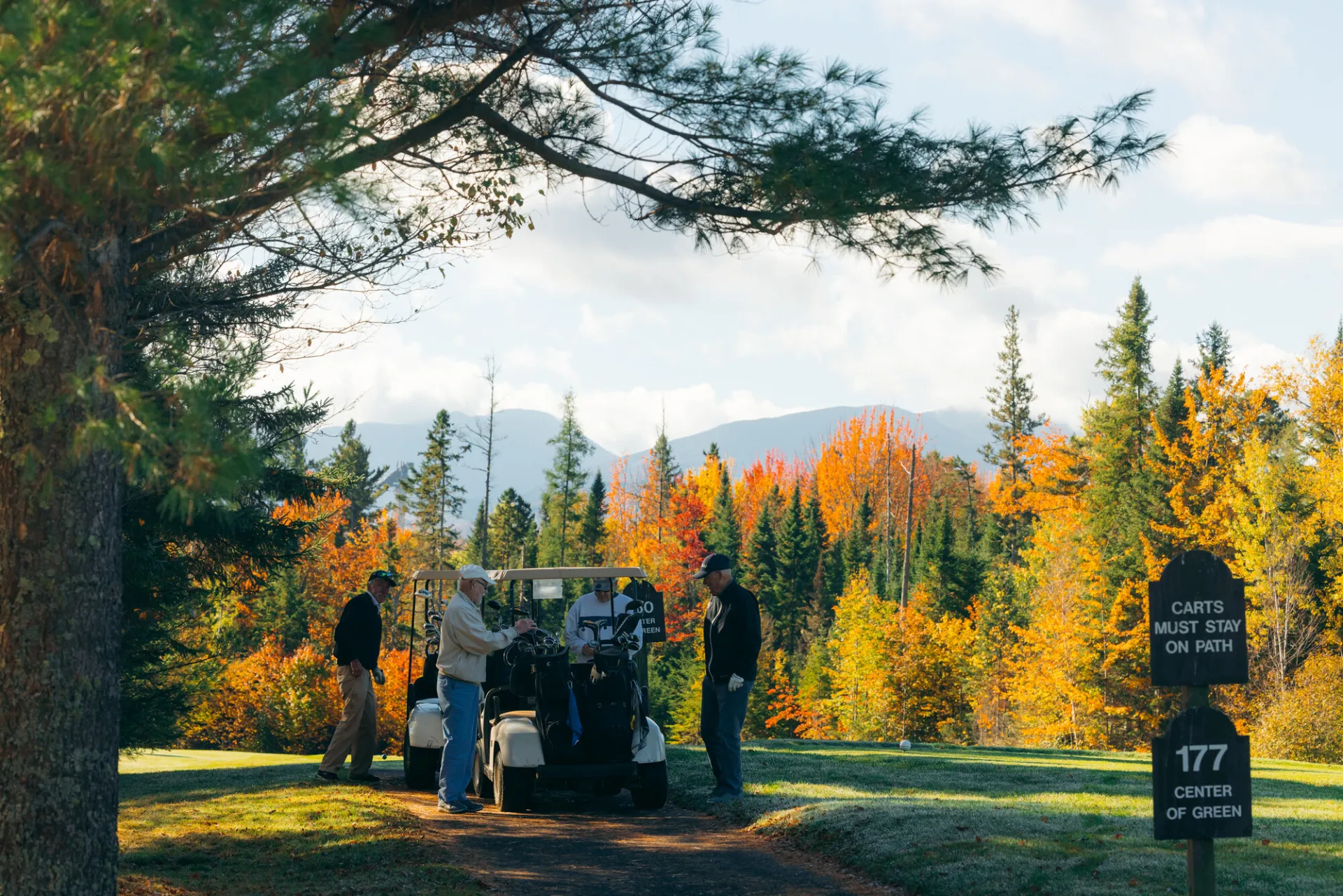
Lake Placid's relationship with golf is not new. It dates back to the 1800s, making it one of the country's earliest golf destinations. Ben Hogan, Joe Kirkwood Sr., Seymour Dunn, and Lake Placid native Craig Wood all sharpened their games or designed courses here, and their influence is still visible in the routing and character of the region's fairways today.
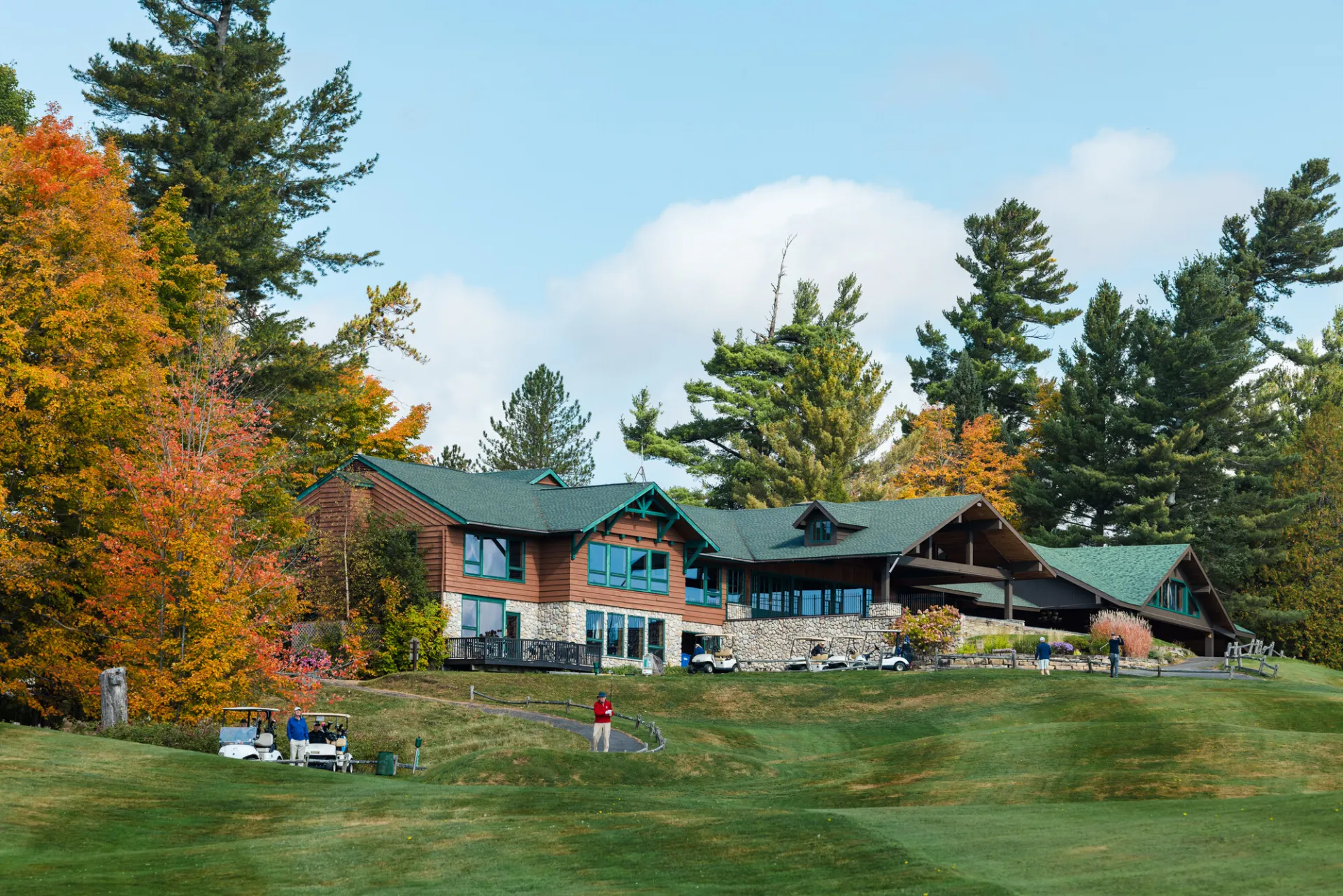
That heritage shows up most clearly at the Whiteface Club & Resort, designed by John Van Kleek and Walter Hagen, where mountain views frame nearly every hole. The Lake Placid Club Links, laid out by Seymour Dunn, and the Lake Placid Club Mountain Course, a joint design by Alexander Findlay and Alister MacKenzie, offer two very different reads on the same landscape: one leaning toward Scottish-style links, the other climbing into more dramatic mountain terrain. The Lake Placid Club Pristine 9, another Findlay design, rounds out that collection with a shorter, more contemplative round.
Nearby, Craig Wood Golf Course honors its namesake with a course built for golfers of every level, while Saranac Inn Golf & Country Club and Saranac Lake Golf Club extend the region's offerings beyond Lake Placid proper. Most of these courses play close to par 72, with a few executive-length options for those who want a fuller day without a full eighteen. Together, they give visiting golfers real variety within a short drive, from historic parkland design to open, wind-touched links.
Beyond the course
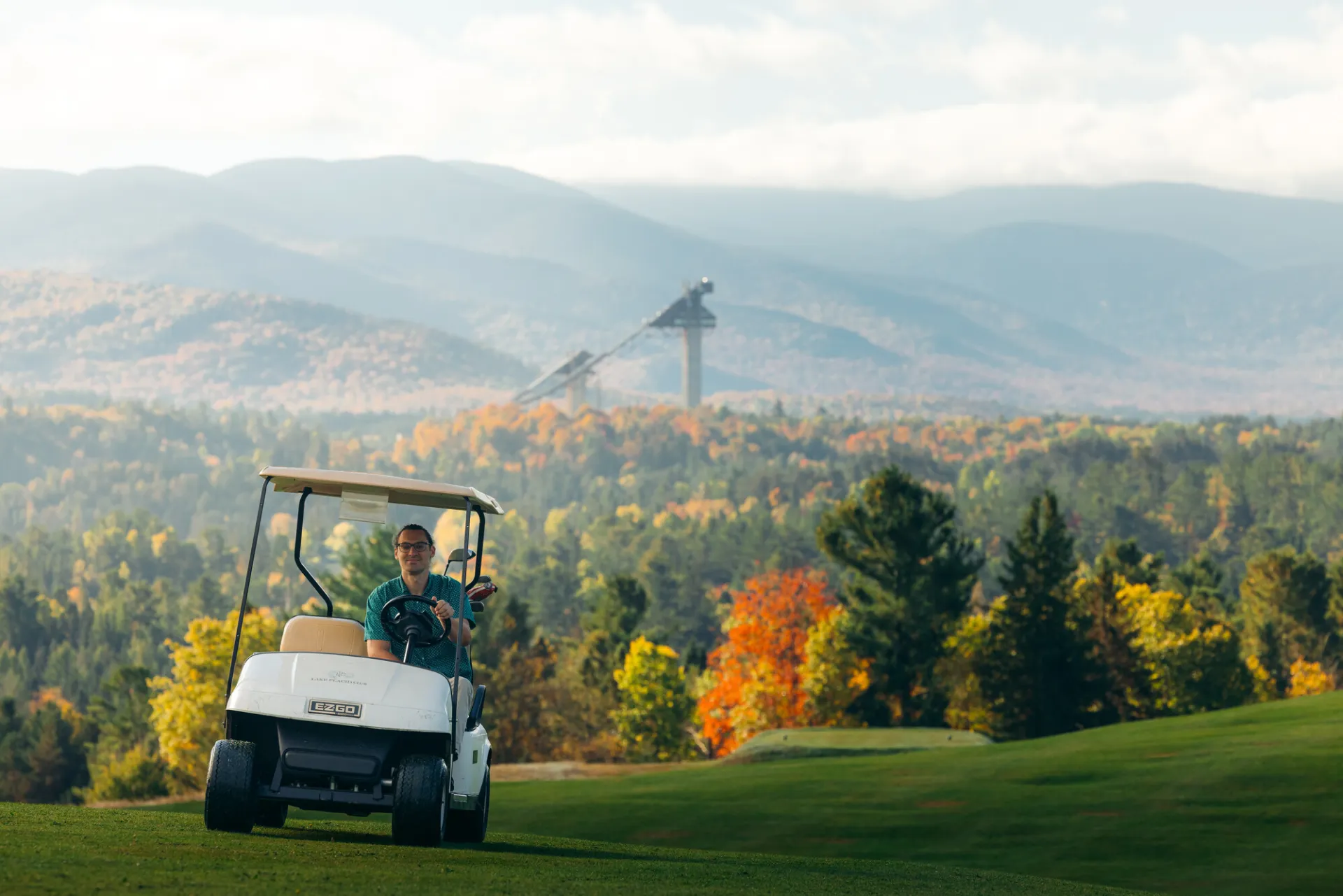
A golf trip to Lake Placid rarely stays confined to the course, and that is by design. History buffs can spend an afternoon at the golf exhibit at the Lake Placid-North Elba Historical Society, tracing the region's early role in American golf and the designers who shaped it. Just down the road, the Olympic Museum and the Olympic Legacy Sites offer a different kind of history, one built on a century of winter competition that still defines the town's identity.
Evenings call for their own kind of unwinding. Lake Placid's clubhouses are built for lingering, with amenities that reward a slow finish to the round rather than a rush to the parking lot. The dining scene matches that same unhurried sensibility, with restaurants throughout town drawing on the region's farms and lakes for menus that feel considered rather than convenient. And when the round and the meal are done, the region's lodging, from resort properties to smaller inns, gives golfers a place to settle in rather than simply pass through.
Fall, specifically
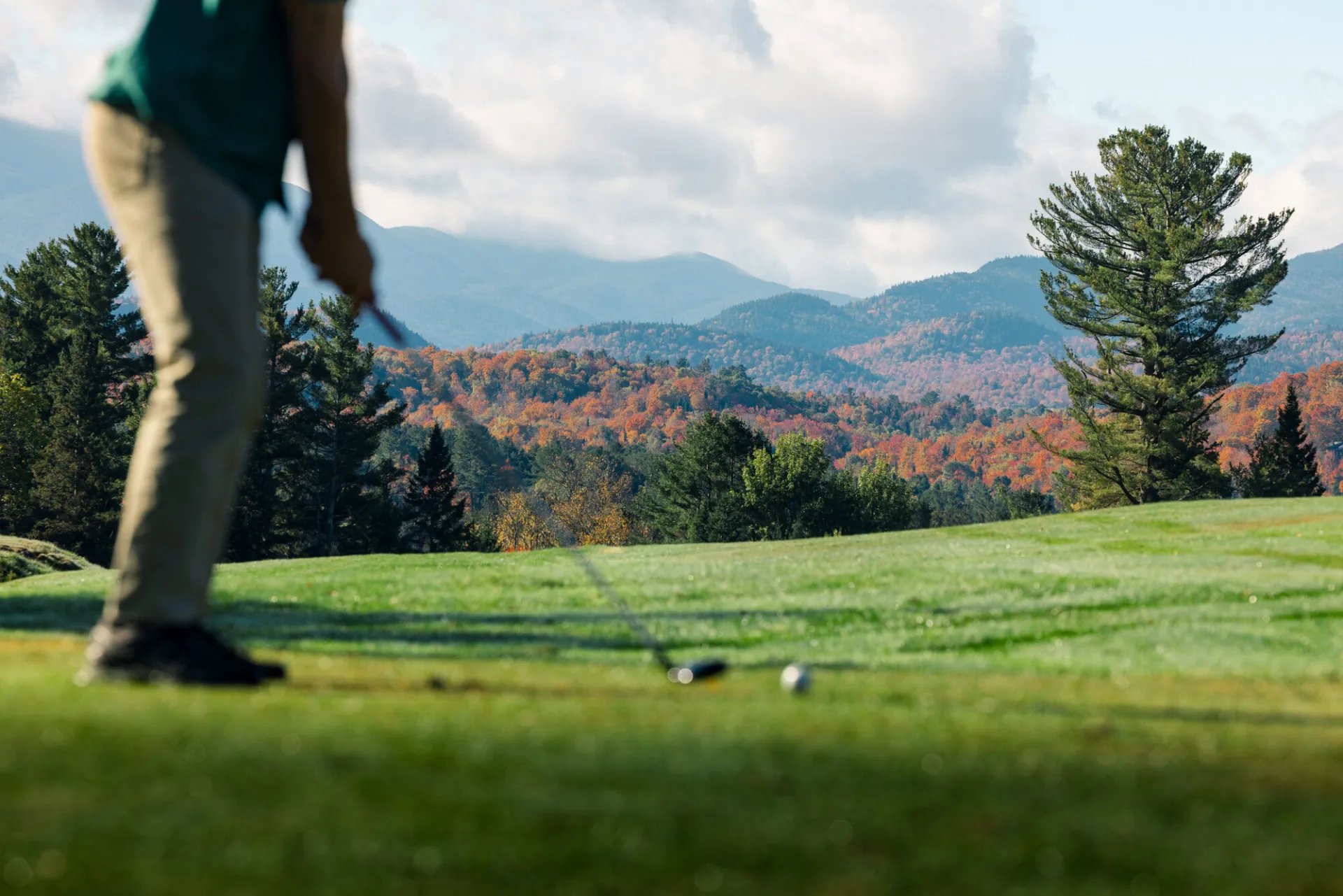
Fall changes the calculation. The courses are quieter than in peak summer, especially midweek; temperatures are milder for walking eighteen holes, and the foliage adds a visual dimension that no amount of course design alone can produce. This season suits golfers who want their trip to feel less like an itinerary and more like a pause.
For golfers drawn to the idea of travel as something to be experienced slowly, Lake Placid offers a rare combination: courses with real design pedigree, scenery that changes by the week in autumn, and a town built to support a full day off the fairway. Plan a tee time, and let the rest of the visit unfold at its own pace.
Explore More

Late fall is perfect for a cozy and sophisticated getaway in Lake Placid. As the seasons change, you have the opportunity to relax. Discover what you can do with 72 hours in Lake Placid.
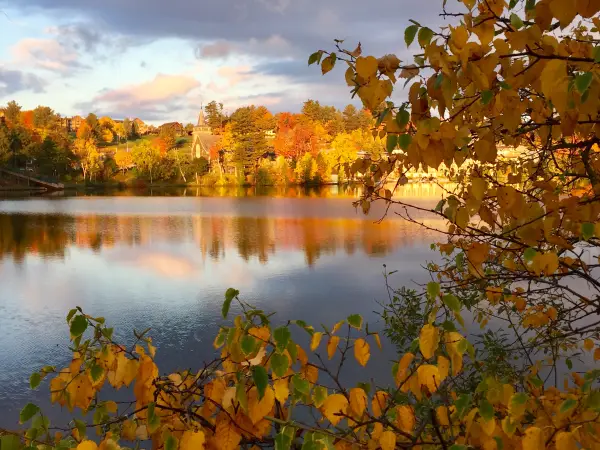
Hiking is a great way to experience fall foliage, but it's not the only way! Explore these 10 adventurous ways to see fall colors in Lake Placid (that aren't hiking).
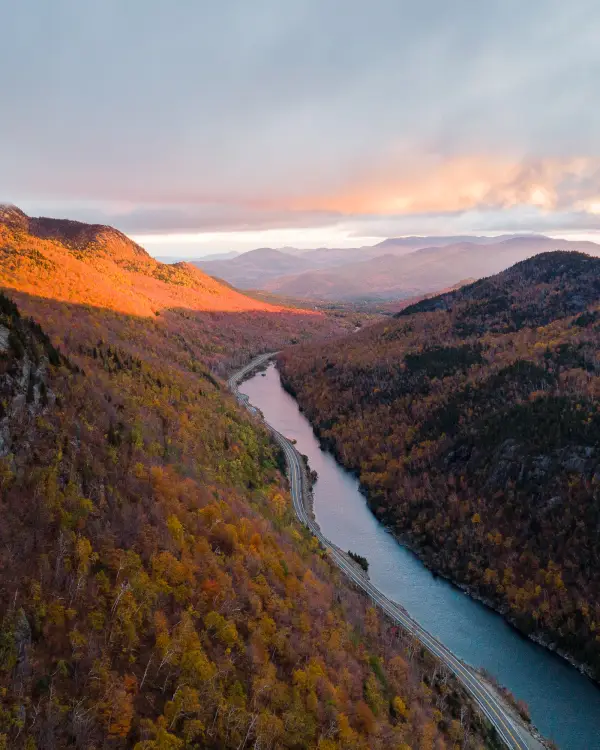
Lake placid is surrounded by lush foliage this time of year, and no matter where you’re coming from, your eyes are in for a treat.
Find plenty of fall fun for everyone in Lake Placid! Celebrate the season with foliage-friendly activities, outdoor adventures, and more!


