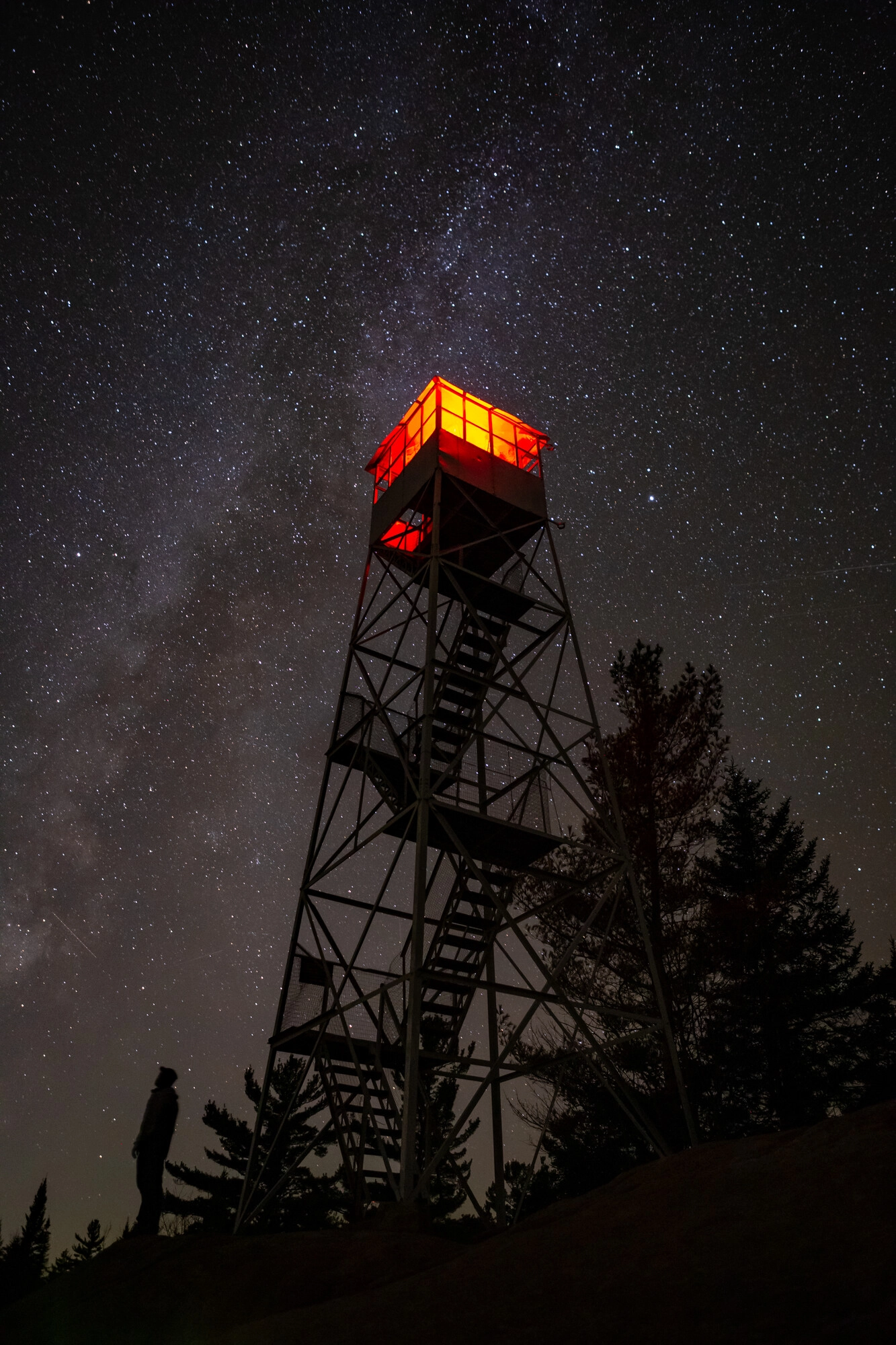
What’s in the sky for Lake Placid in 2026
Lake Placid has quietly become one of the Northeast's most exciting astrotourism destinations, where protected wilderness, low light pollution, and the dedicated work of the Lake Placid Dark Skies Committee are turning the region's night skies into one of its most beloved attractions. The momentum hasn't slowed down; it's only grown. In 2026, the cosmos has a full calendar of events planned, and the Adirondacks remain one of the best places in the Northeast to watch them unfold.
The Adirondacks have always been a place for adventure. This year, let Lake Placid's inky-dark skies lead the way. Mark these dates, find your perfect stargazing spot, and let the stars be your guide.
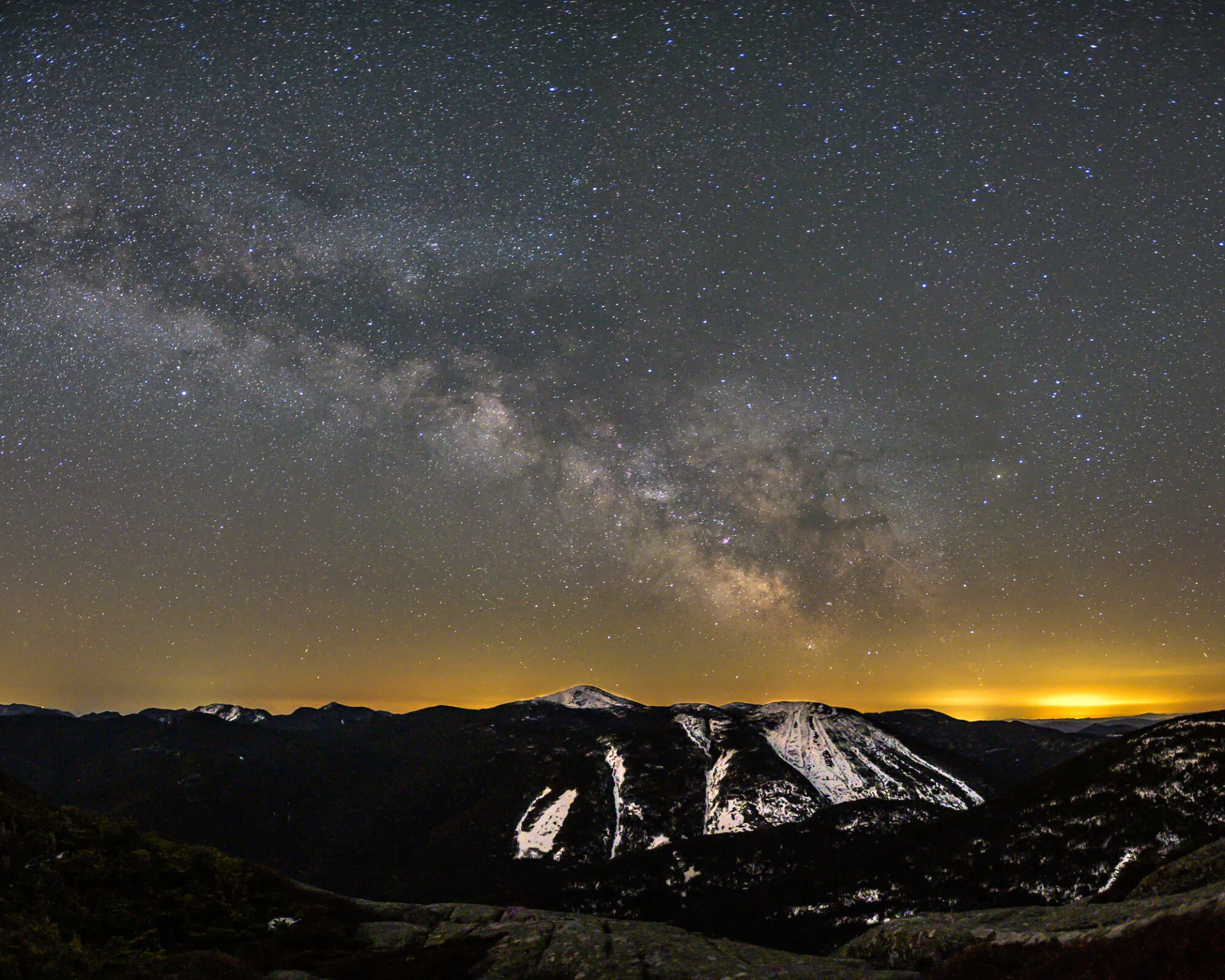
Celestial events to watch in 2026
Lyrids Meteor Shower
As the Adirondacks come alive with the first signs of spring, the Lyrids kick off the year's major meteor activity just as the season hits its stride. Active annually from approximately April 15 to April 29, the 2026 peak is predicted for the early morning of April 22. With the moon as a waxing crescent at just 34% illumination and expected to set after midnight, the prime predawn viewing hours should be beautifully dark. Under ideal dark-sky conditions, observers can expect roughly 15 to 20 meteors per hour.
The Lyrids are one of the oldest recorded meteor showers, with observations going back nearly 2,700 years. They're produced by debris from Comet Thatcher, and while they're known more for reliability than sheer volume, they have a reputation for surprise. April nights in the Adirondacks can still be chilly, so layer up and find a clearing with a wide view of the eastern sky.
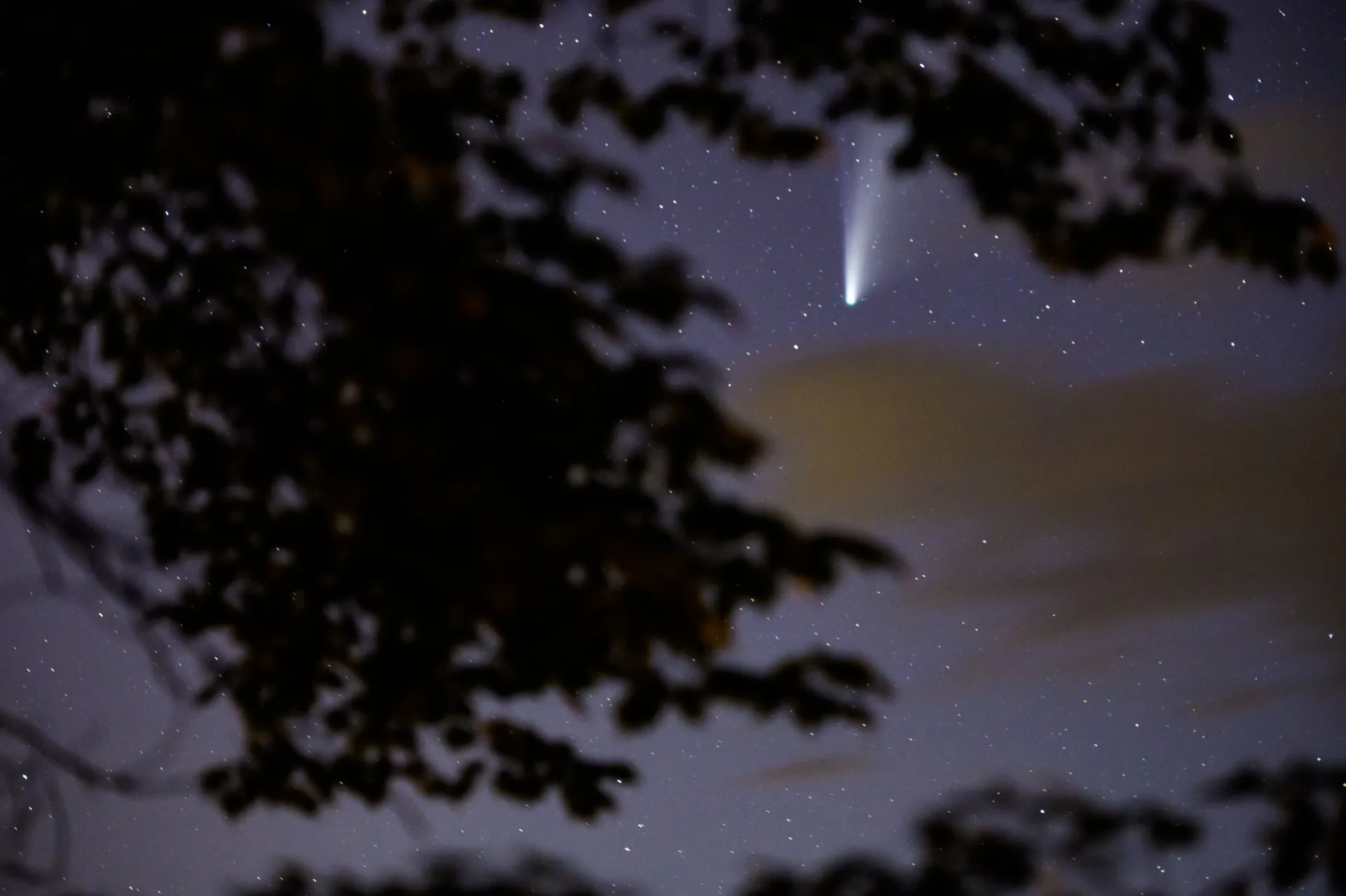
Partial Solar Eclipse
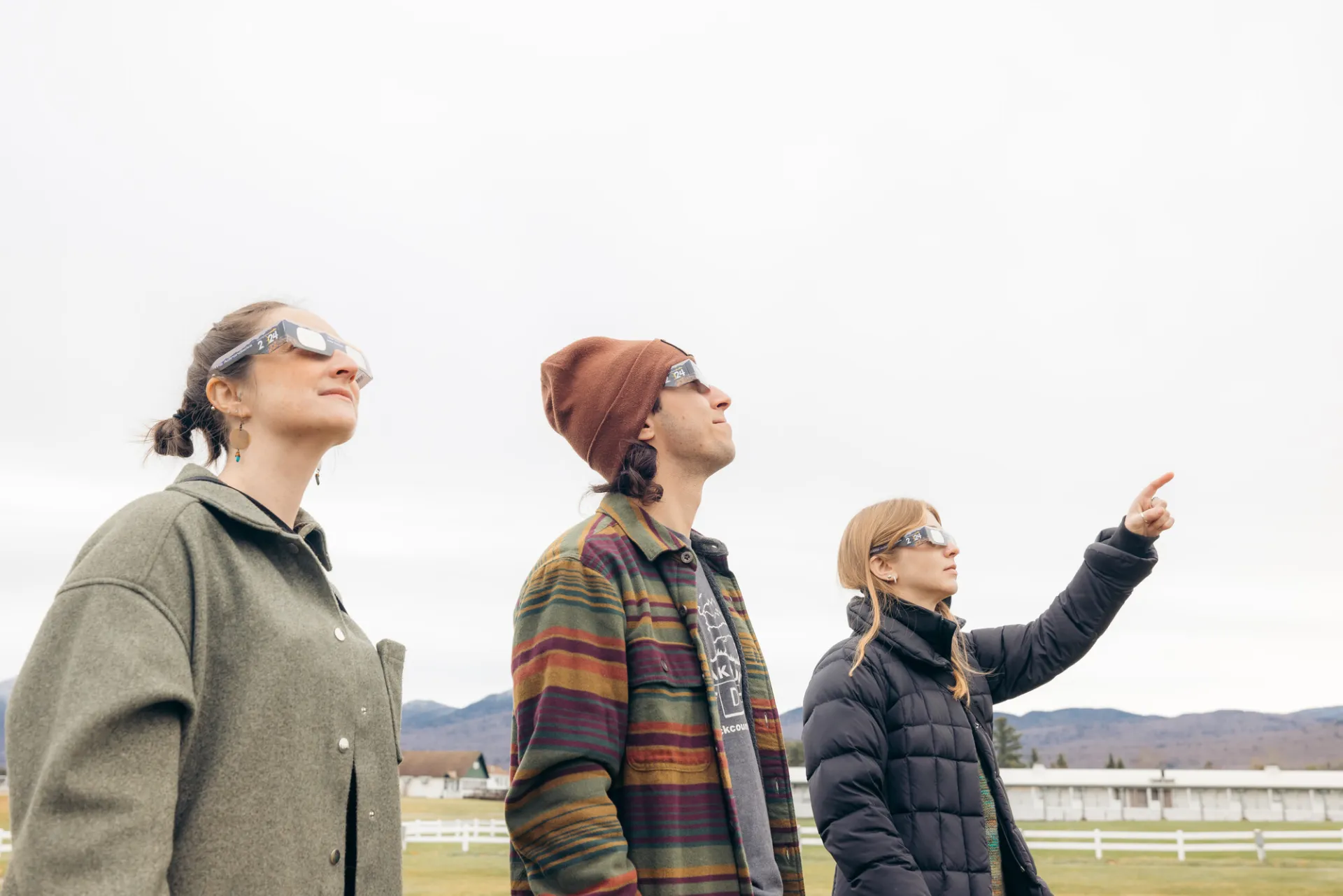
This one requires eclipse glasses rather than a blanket. On August 12, 2026, a partial solar eclipse will be visible across New York State as part of a total solar eclipse whose path of totality sweeps through Greenland, Iceland, and Spain. In Northern New York, the partial eclipse is expected to begin around 5:00 p.m., reaching its maximum roughly an hour later depending on your exact location, with approximately 15–25% of the sun covered depending on where you're watching from. The further north you are in New York, the greater the coverage you'll see, making Lake Placid a prime viewing spot in the region.
This is a late afternoon event, so no need to stay up past midnight. Grab a pair of ISO-certified eclipse glasses, find a spot with an unobstructed view of the western sky as the sun begins its descent, and watch the moon take a slow, deliberate bite out of the sun. It's a rare treat, and the Adirondacks' clean, clear summer skies make for ideal viewing conditions.
Leonids Meteor Shower
By mid-November, the nights in Lake Placid are long, crisp, and spectacular. The Leonid meteor shower peaks on the night of November 17 through dawn on November 18, with the radiant rising around midnight and climbing highest in the sky before dawn. In 2026, the moon will be in its first quarter phase, roughly half-lit, and present during the first half of the night. However, as it sets around midnight, the prime predawn viewing hours will be beautifully dark and interference-free, giving you the best possible conditions to catch the show.
The Leonids are among the most storied showers of the year, linked historically to some of the greatest celestial displays ever recorded. They are very fast meteors, flying at around 71 kilometers per second, and can leave behind long blue-green vapor trains that linger in the sky for several minutes. Watching one streak silently across a cold November sky above the High Peaks is an experience not easily forgotten.
New moons: your darkest nights of the year
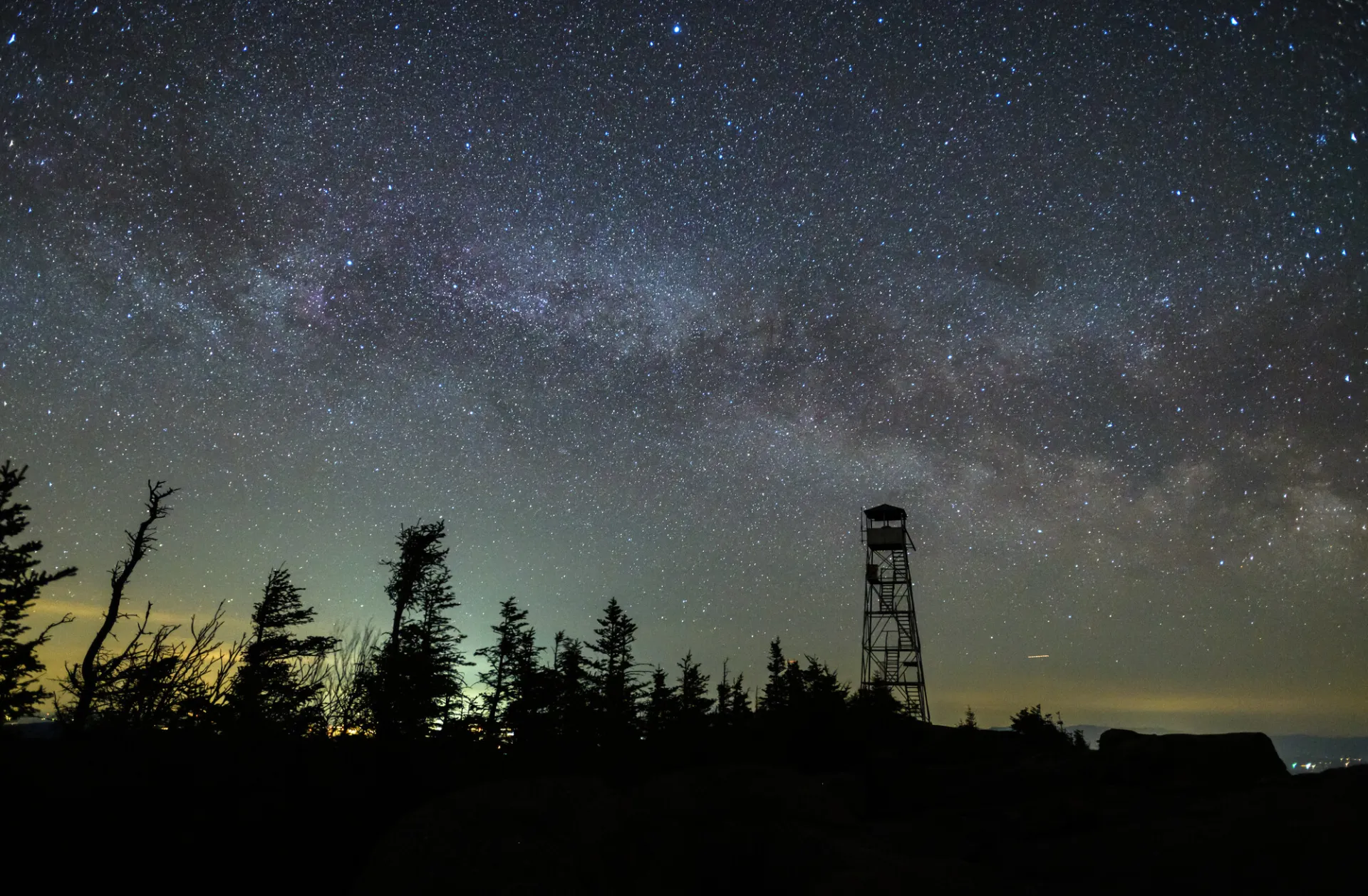
The single best thing you can do to improve any night of stargazing is time it around a new moon, when the sky is at its darkest and even faint stars and the Milky Way become visible. In 2026, new moons fall on April 17, May 16, June 14, July 14, August 12, September 10, October 10, November 9, and December 8. Worth noting: August 12 is also the date of the partial solar eclipse, making it a doubly remarkable day to have on your radar. Even without a shower on the calendar, a new moon night in Lake Placid is worth the trip.
More great spots for stargazing near Lake Placid
The 2025 blog introduced you to some beloved locations—Mirror Lake, Heaven Hill Trails, Henry's Woods, and Mt. Jo—and we're happy to add a few more to your list.
Marcy Field
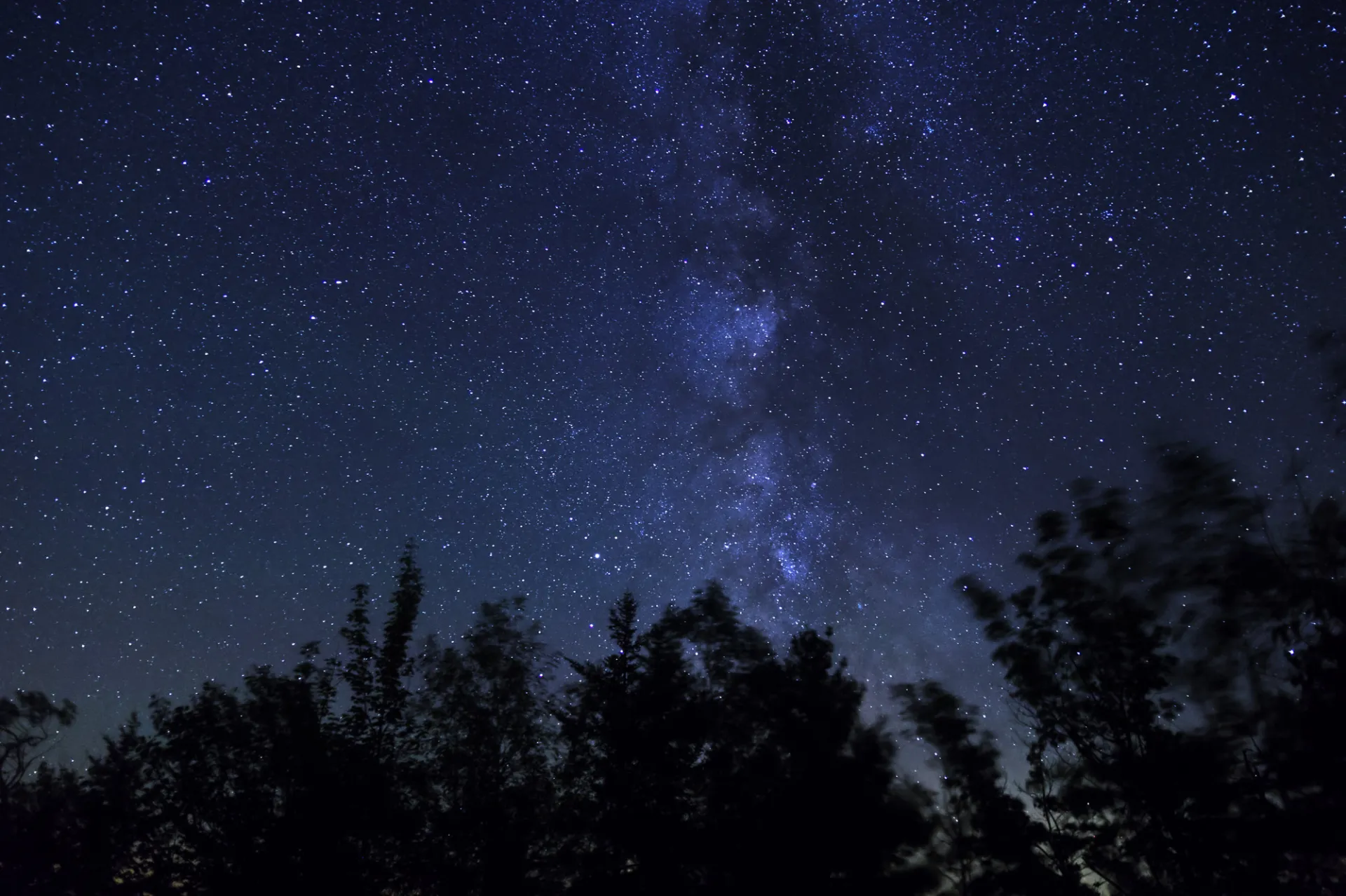
Just a short drive from Lake Placid, Marcy Field in Keene Valley is a wide open field that offers one of the most breathtaking stargazing settings in the region. The High Peaks rise in the distance, their silhouettes framing the horizon without closing in on the sky above, giving you a remarkably open, expansive view of the night sky with the drama of the mountains as a backdrop. With minimal light intrusion and plenty of room to spread out and lie back, it's one of the most atmospheric spots in the Adirondacks to take in the full sweep of the cosmos overhead.
Whiteface Mountain
Whiteface Mountain offers some of the darkest, most elevated skies in the region, with an outstanding summit vantage point. How you get there just depends on the time of year. You can hike the Whiteface Mountain Trail to the summit or take the Whiteface Veterans’ Memorial Highway, known locally as the Toll Road, which becomes a non-motorized route after hours and is closed entirely to motorized vehicles in winter. Ride your bike up the road under the stars, or in winter, enjoy the climb on cross-country skis or snowshoes without the worry of traffic. You do not have to summit to take it all in either, as there are plenty of wide-open vantage points along the way with expansive views of the sky in all directions.
Just be prepared, it gets very dark up there. Bring a headlamp, dress for the conditions, and make sure you have the right gear and experience for the season. The elevation and lack of nearby development make the effort well worth it for those who come ready.
Clements Pond
For those who prefer their stars reflected in water, this 3-mile round-trip hike from the hamlet of Upper Jay leads to a quiet, picturesque pond perfect for watching the sky double itself in the still surface below. On a windless night, the reflection of the Milky Way in a dark Adirondack pond is genuinely breathtaking.
Lake Placid's night sky story continues
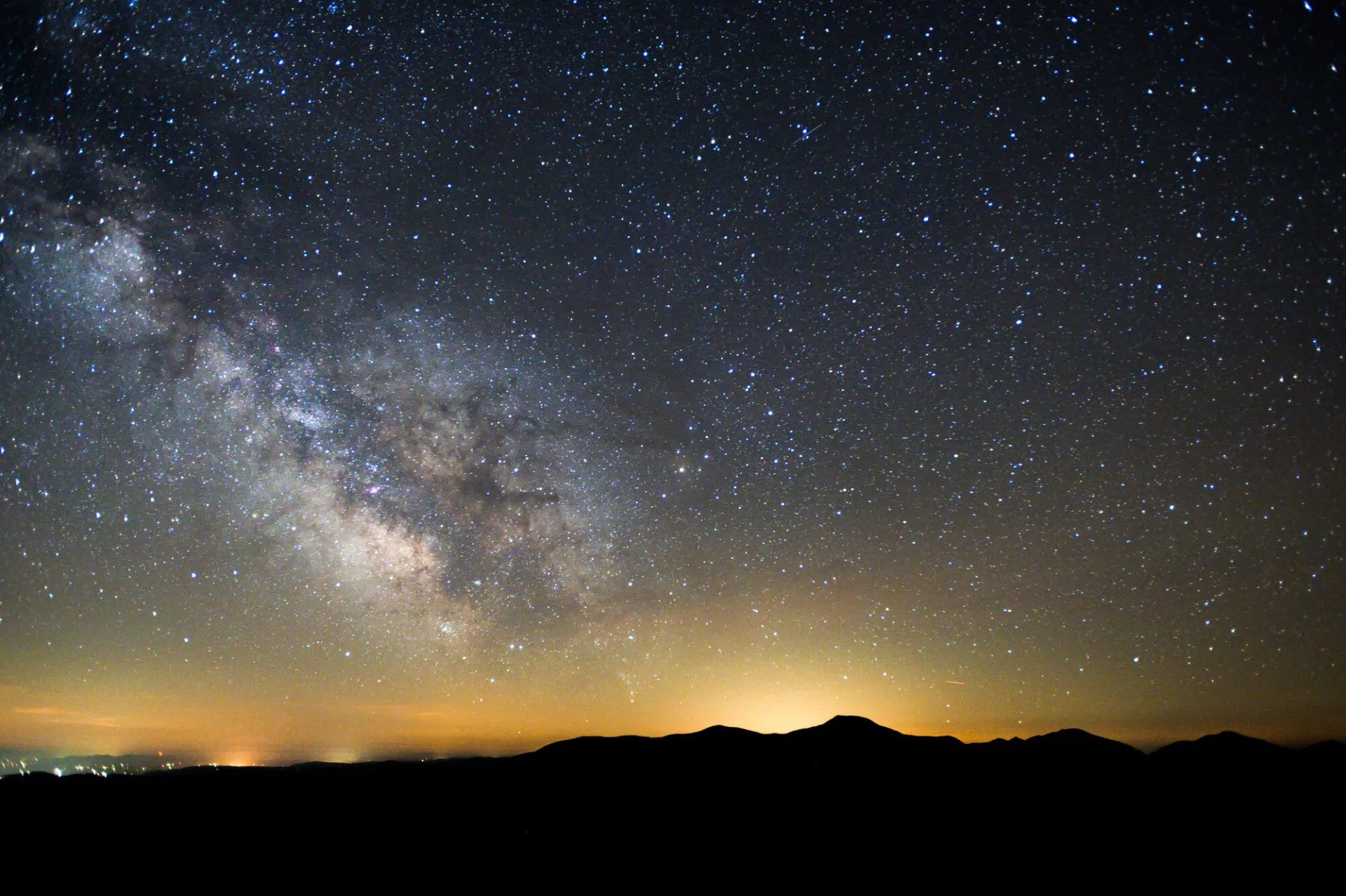
Astrotourism in Lake Placid isn't a flash in the pan; it's a growing part of what makes this region special. The 6-million-acre Adirondack Park remains one of the rare places in the Northeast where the night sky looks the way it's supposed to. Come for the meteor showers, stay for the silence, and leave with a new appreciation for what's been above us all along.
Plan your trip around one of these 2026 events and experience the Adirondack night sky for yourself.
Explore More
Discover why Lake Placid is a rising astrotourism destination, with pristine dark skies, innovative lighting efforts, and unforgettable stargazing experiences. Explore the best spots to watch meteor showers, learn how locals are protecting the night sky, and get tips for your visit.


