Adirondack Paddling

Canoeing & Kayaking the Adirondacks

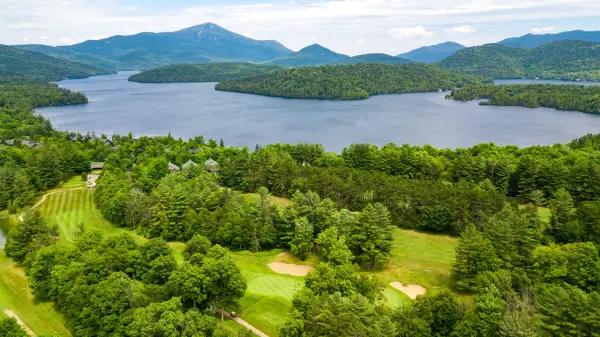
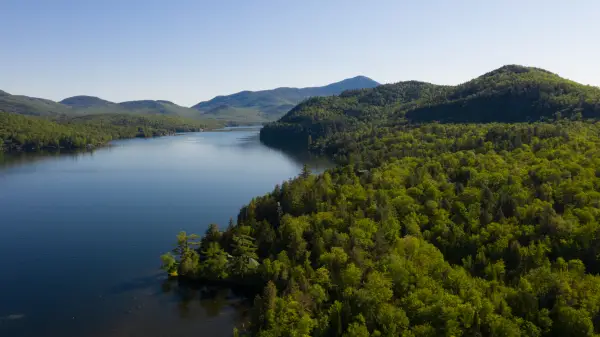
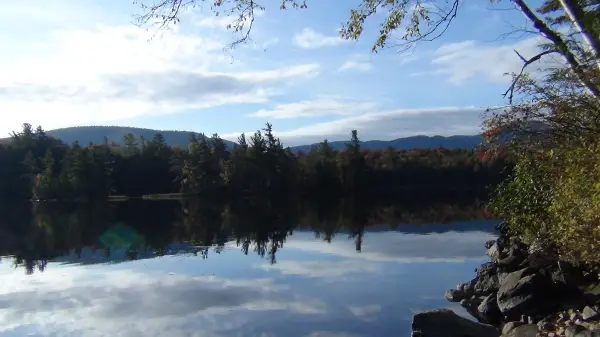
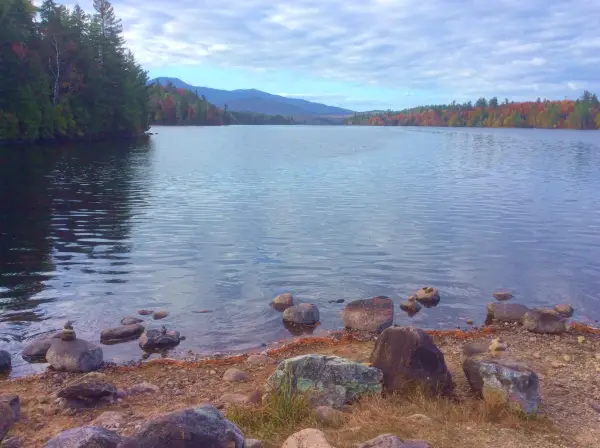
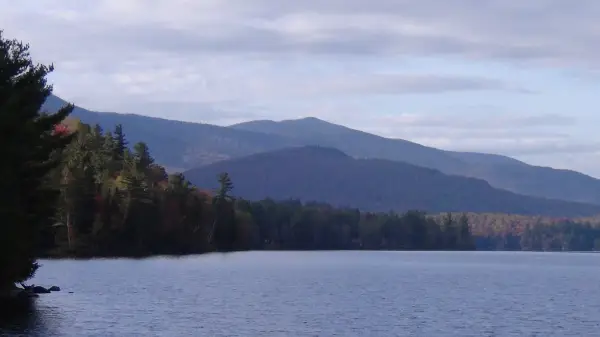
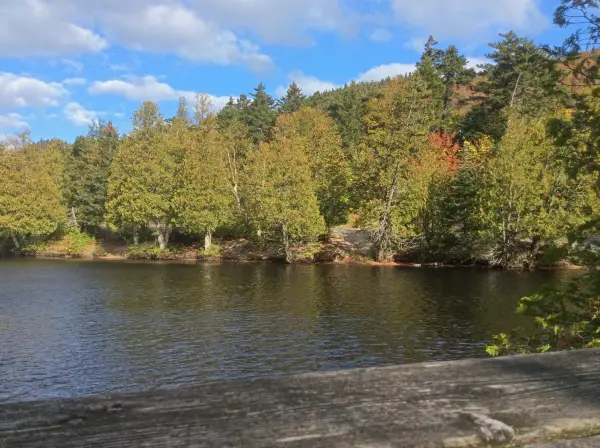
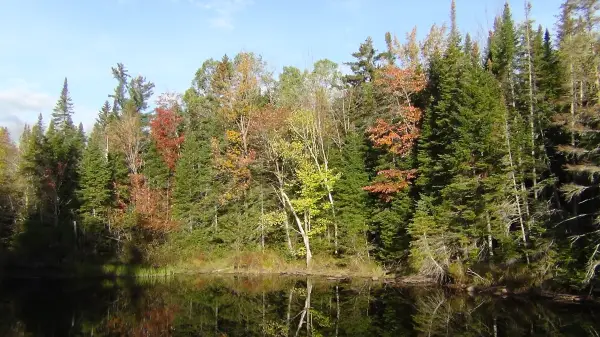
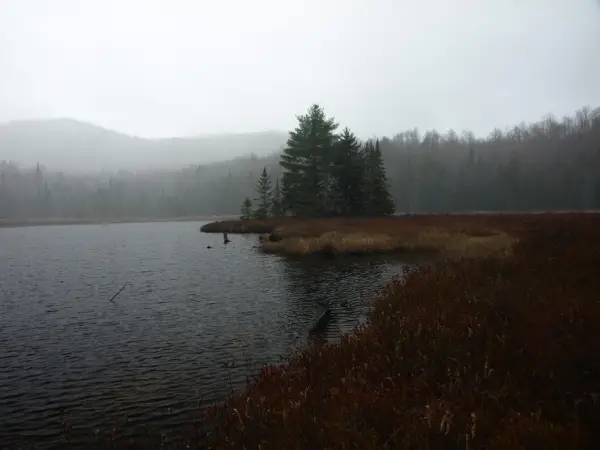
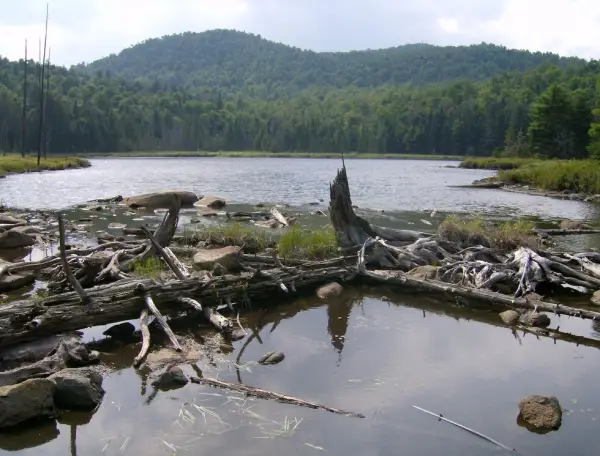
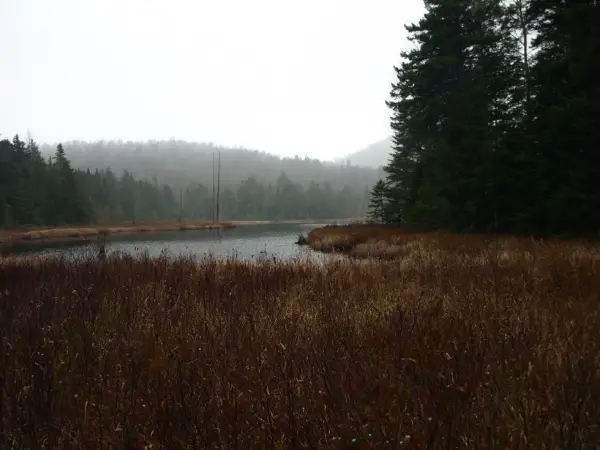
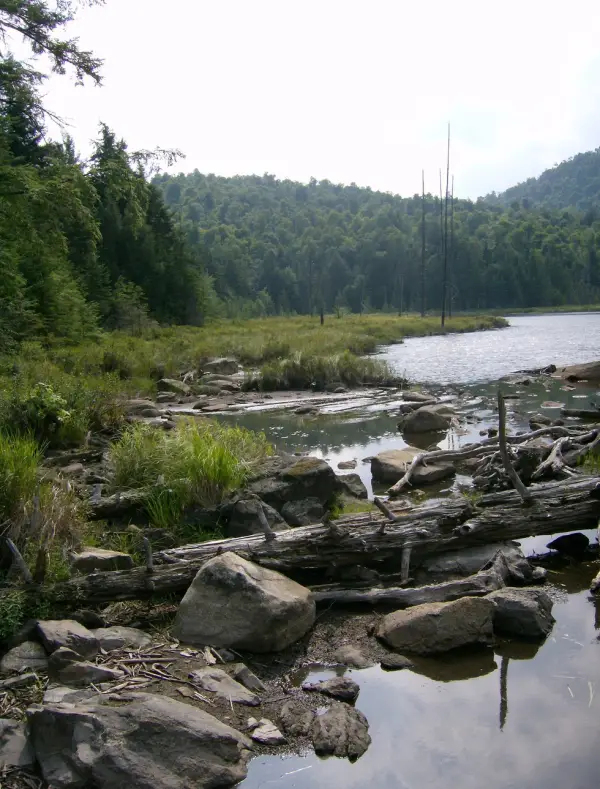
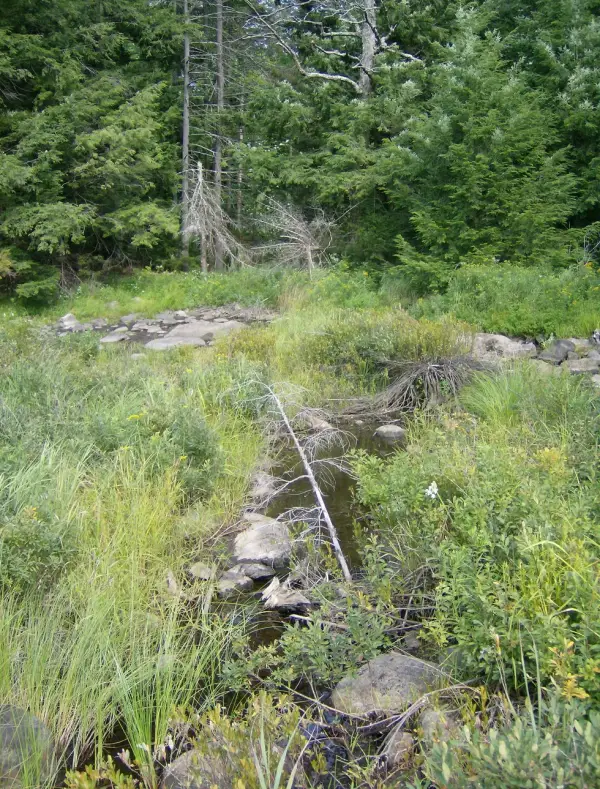
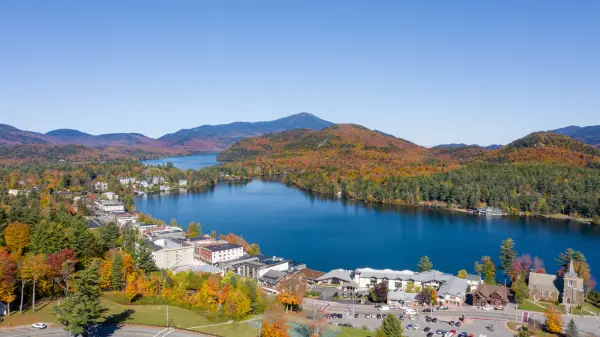
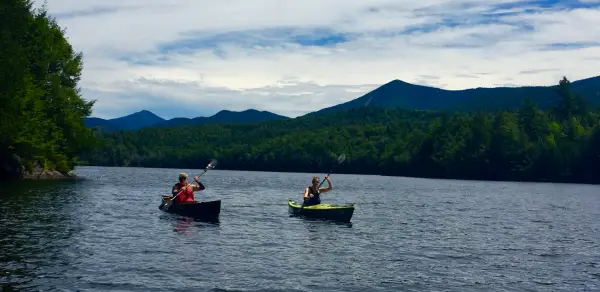
The Adirondack Park is over 6,000,000 acres in size broken up between public (state) and private land. Within those 6-million acres is over 2,300 ponds and lakes, 1,500 miles of rivers and well over 30,000 miles of streams and brooks. However, not all of which can be paddled due to many factors, such as lack of an access point and/or not sufficient enough water to support boat travel. With that being said, there are numerous paddling options within the Adirondack park and the Lake Placid Region.

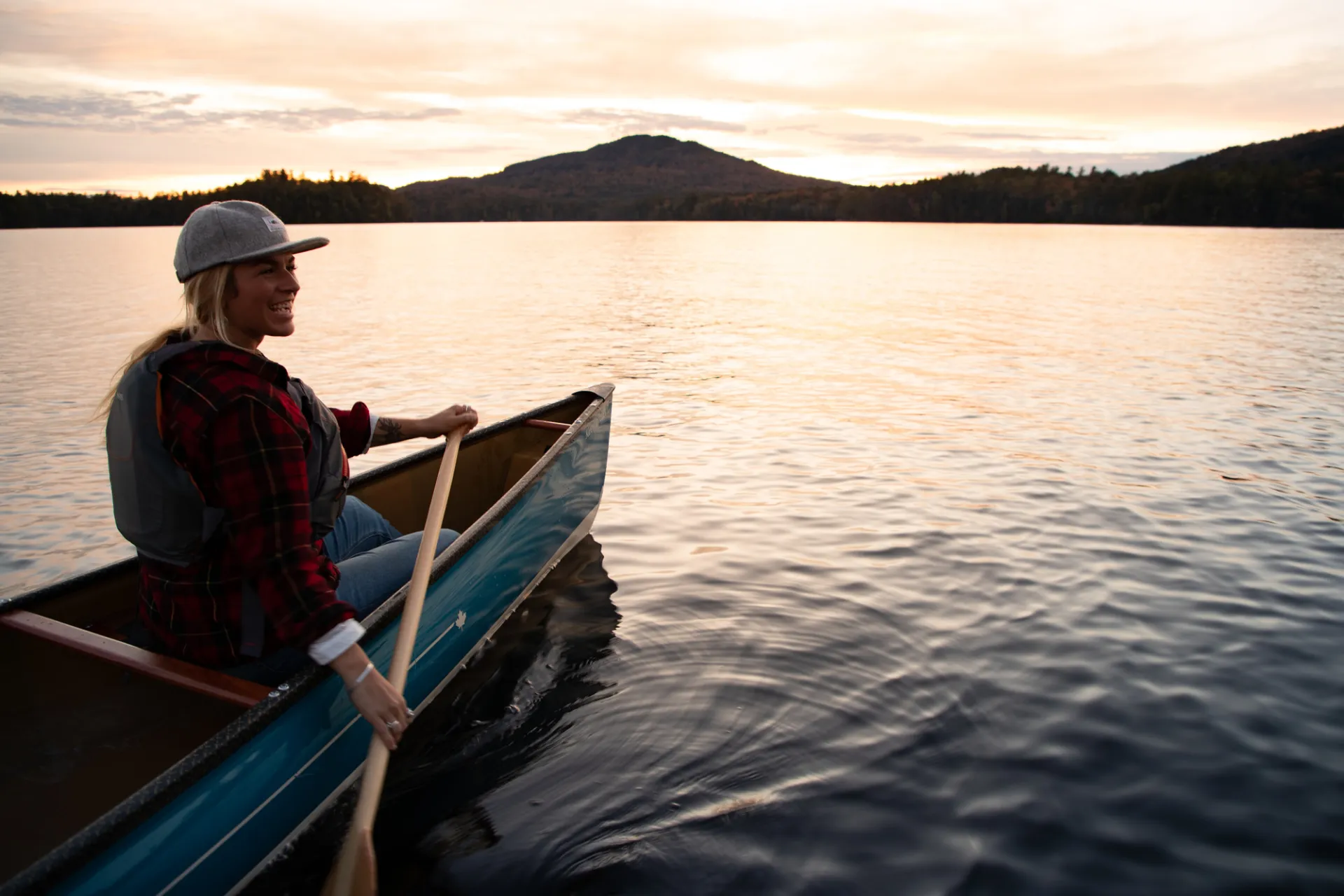
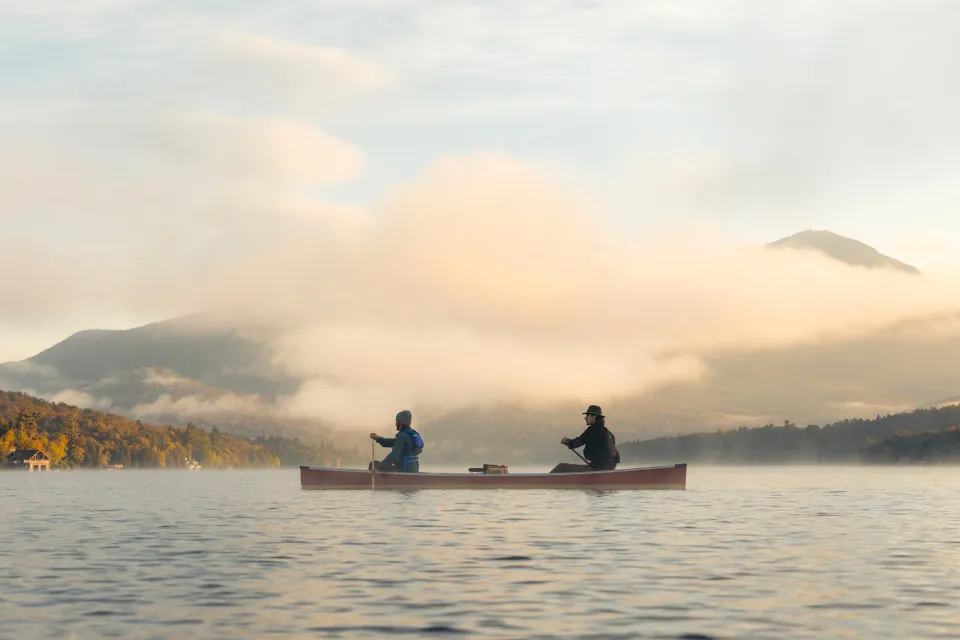
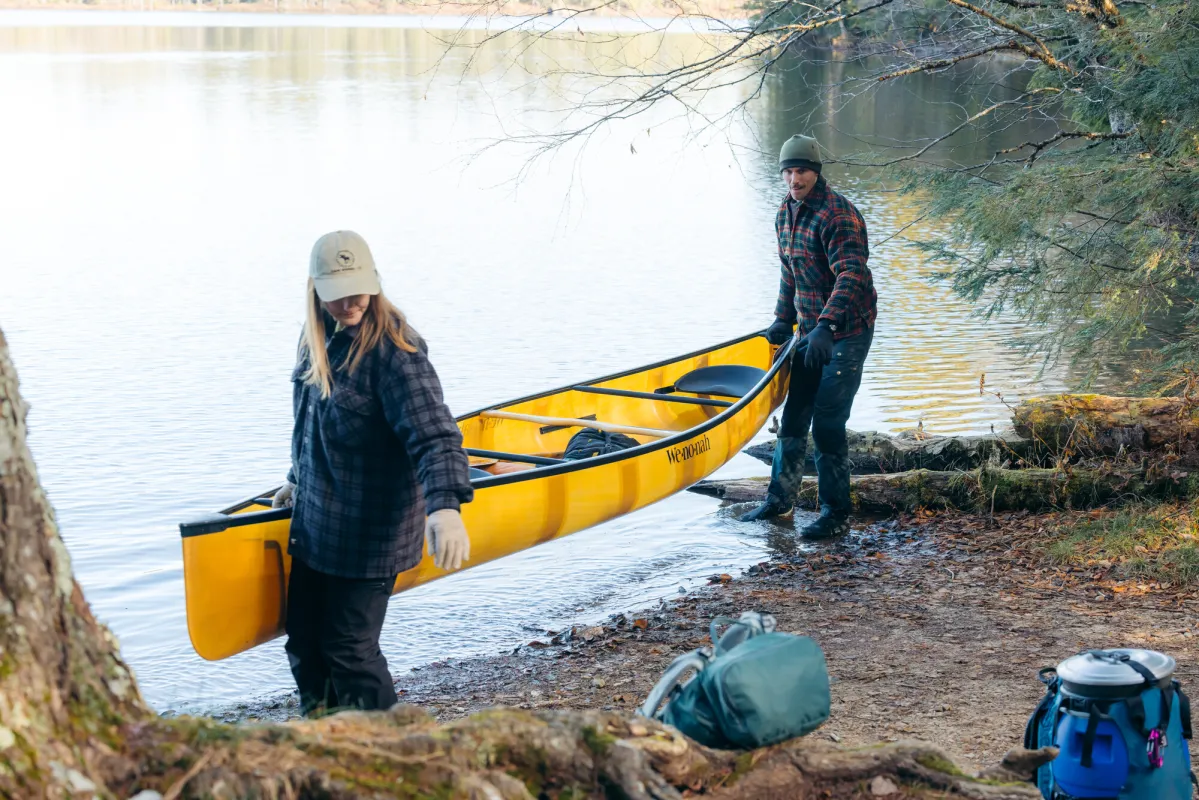
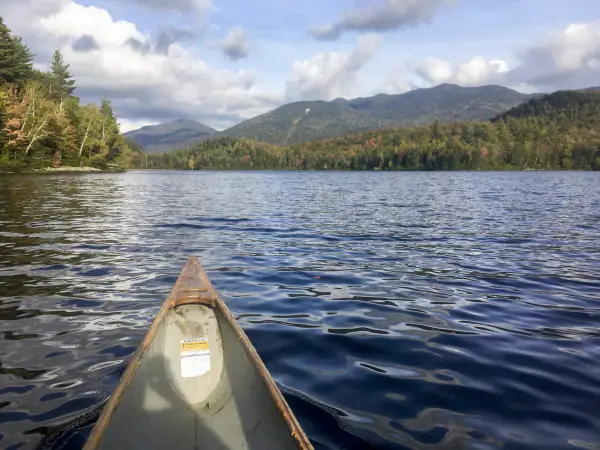
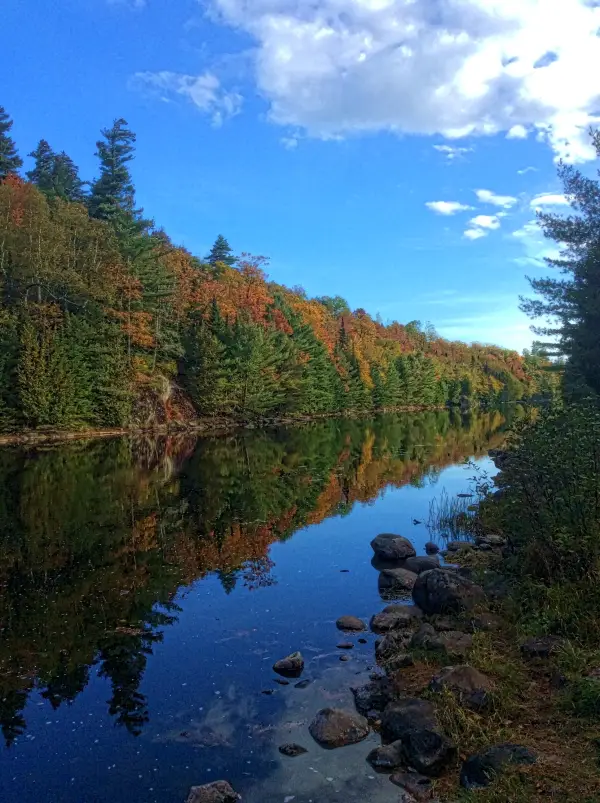
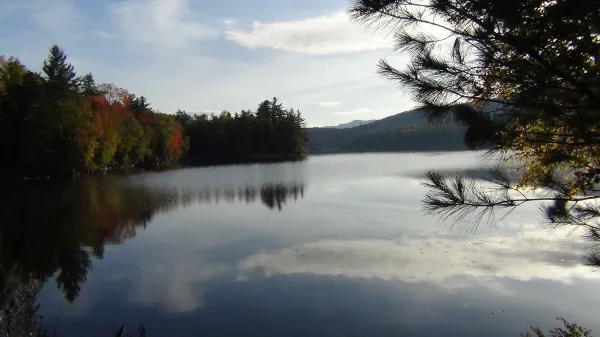
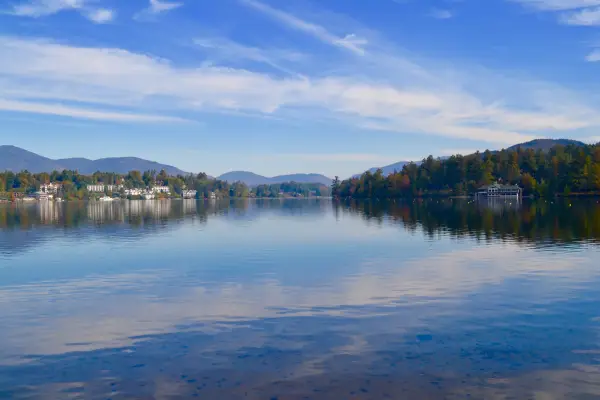
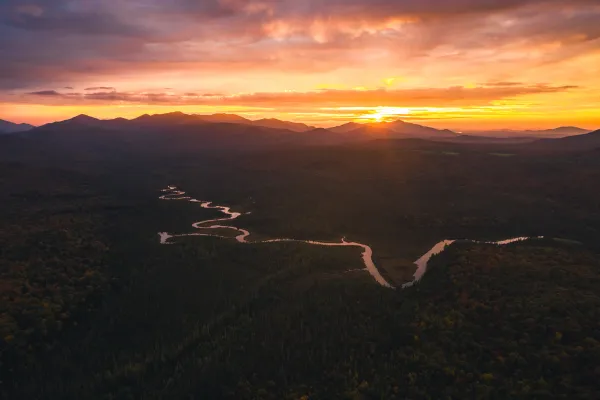
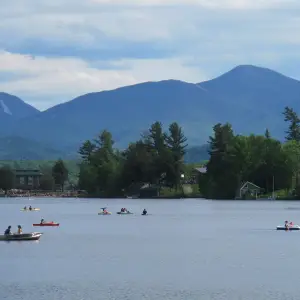
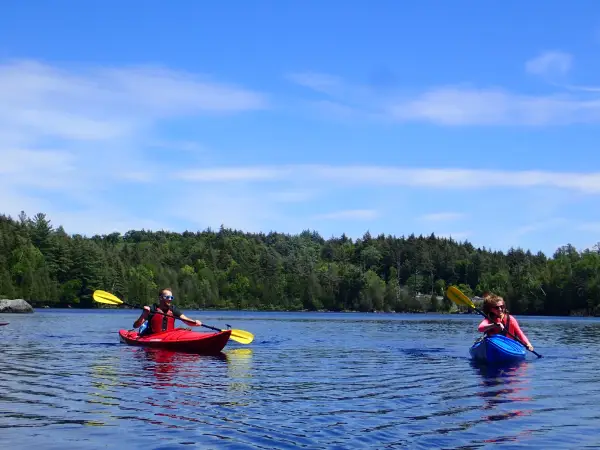
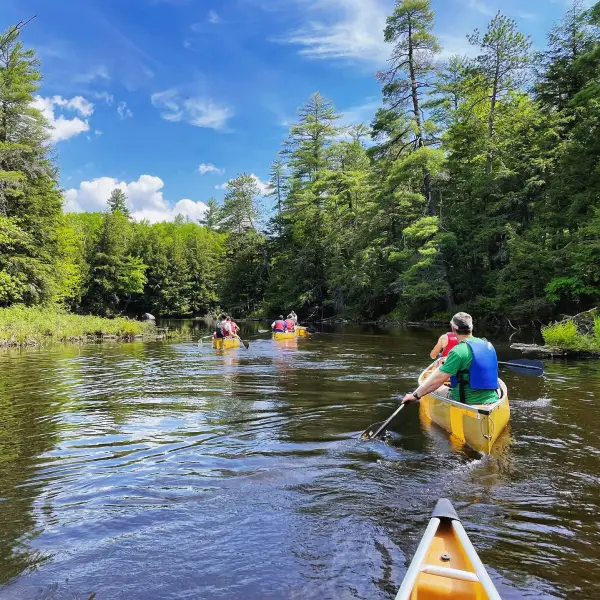
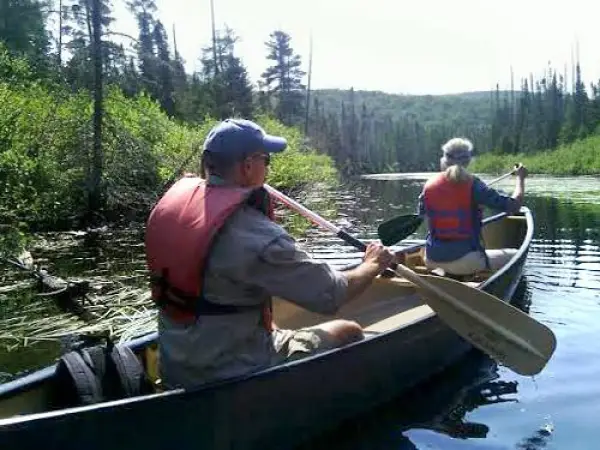
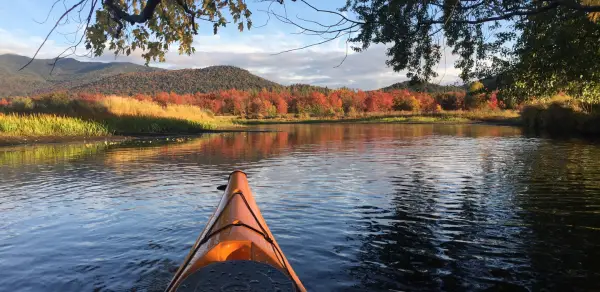
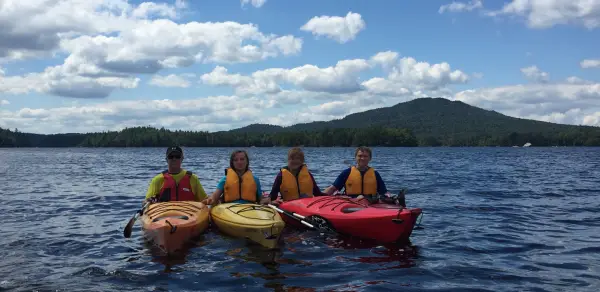
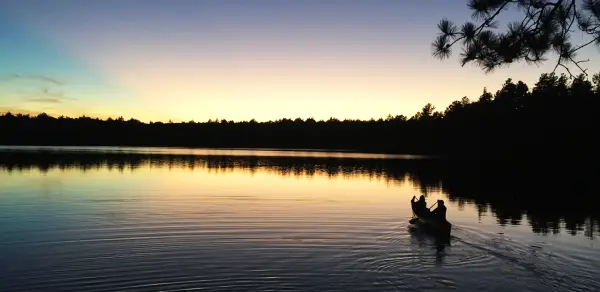
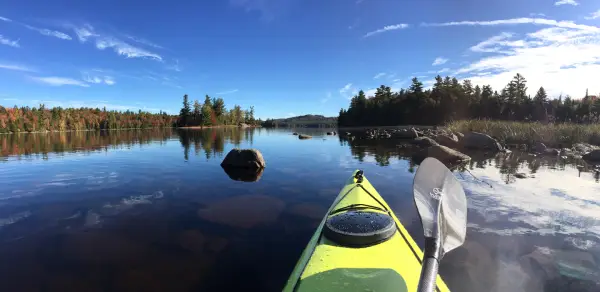
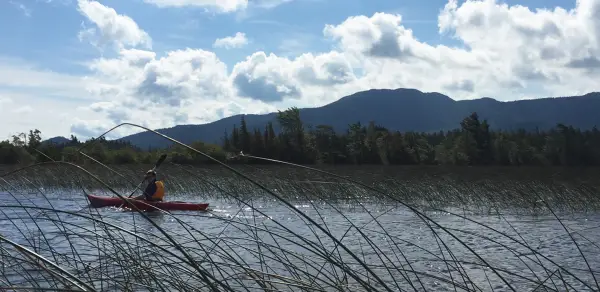
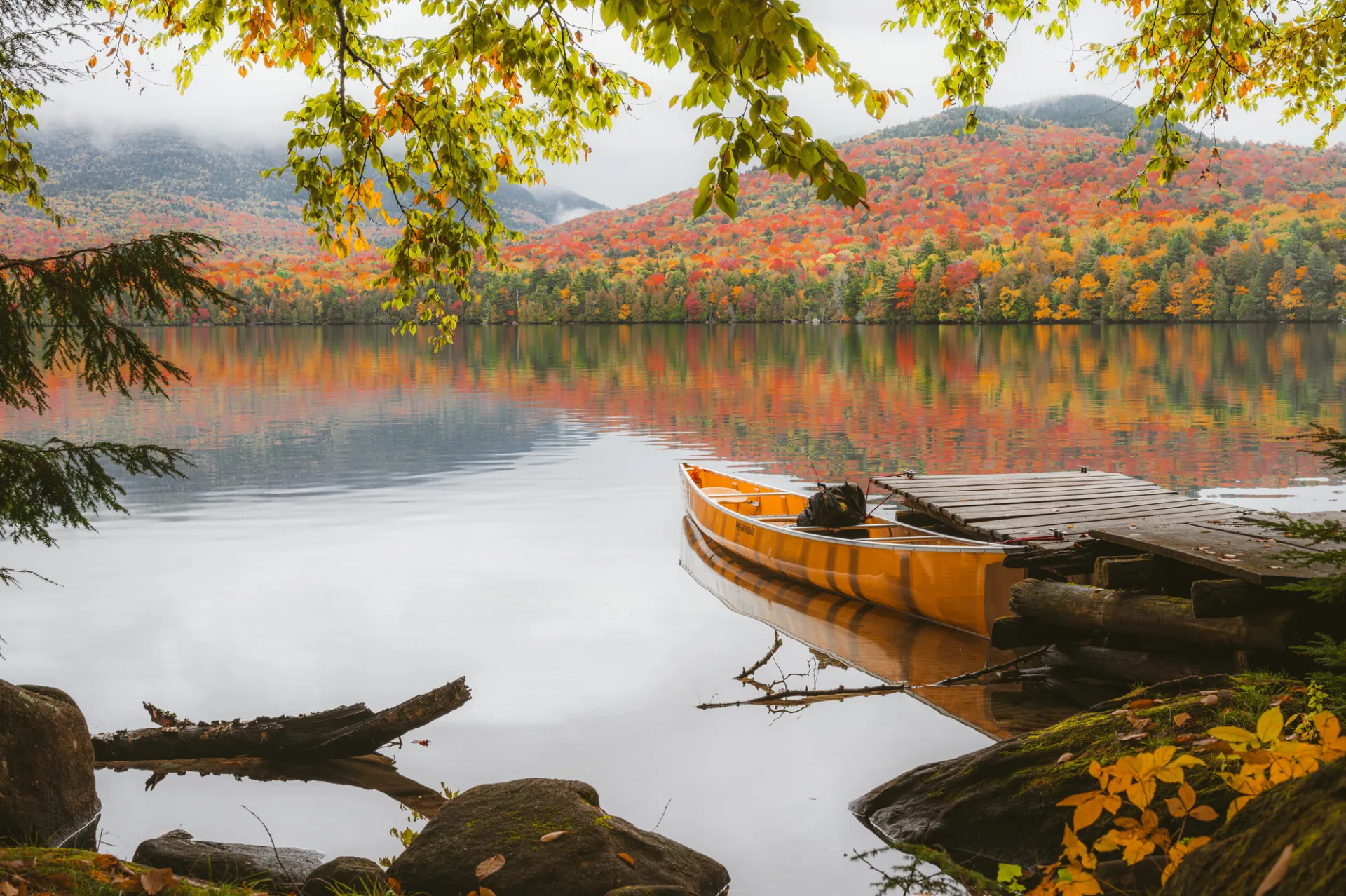
Paddling the Adirondacks is not only one of the most enjoyable outdoor activities in the park but it offers unique views into the lives of all species of wildlife from schools of fish to the birds that feed on them and from small almost unnoticeable mink to the great moose that have been relocating to the park. If you have ever witnessed a sunset or sunrise from an open body of water, you must know that it is possibly one of the most peaceful moments you can experience. From a boat you can take in a lunar eclipse, Lake Placid's fireworks on the Fourth of July from Mirror Lake, a family of loons, an eagle fishing and the list goes on and on and on. No place else will you see the stars more clearly or float in an essence of complete silence.
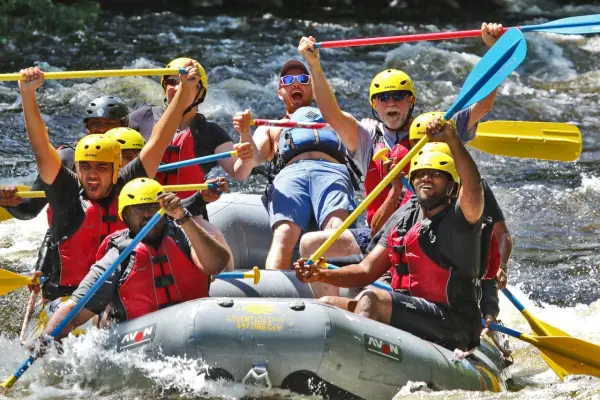
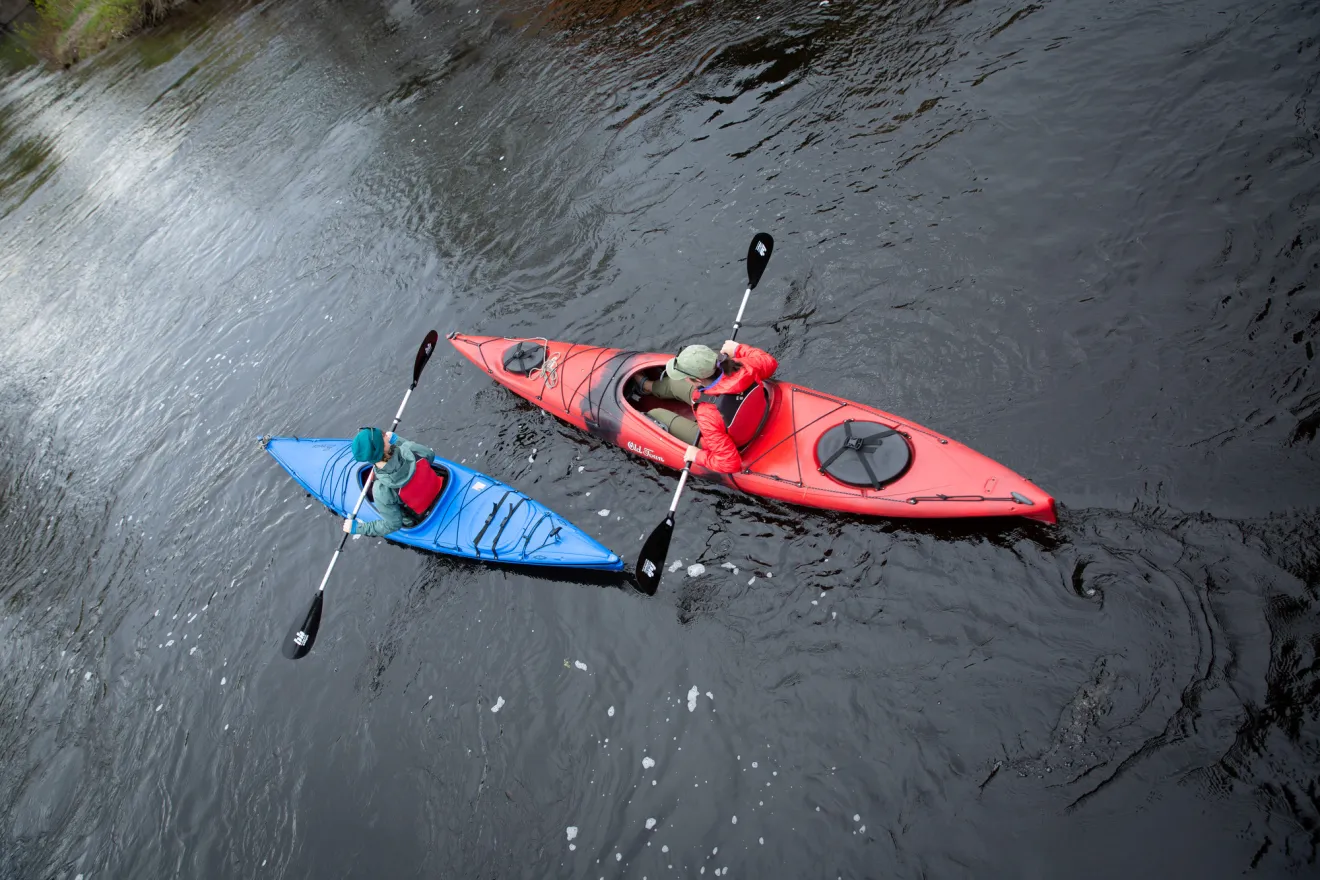
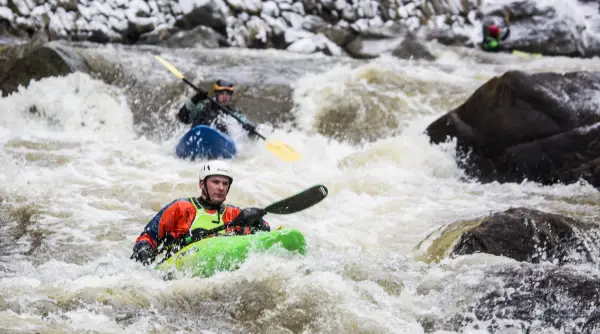
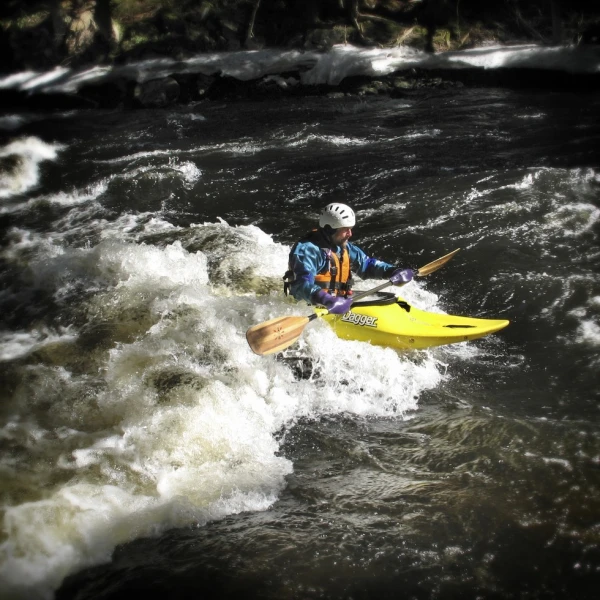
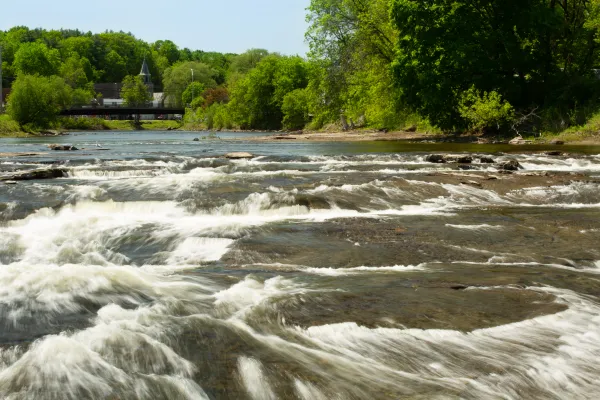
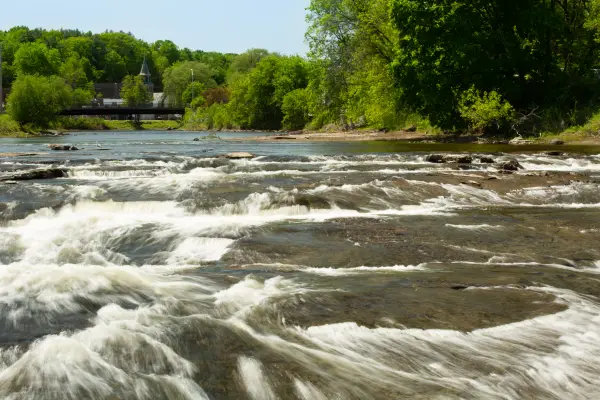
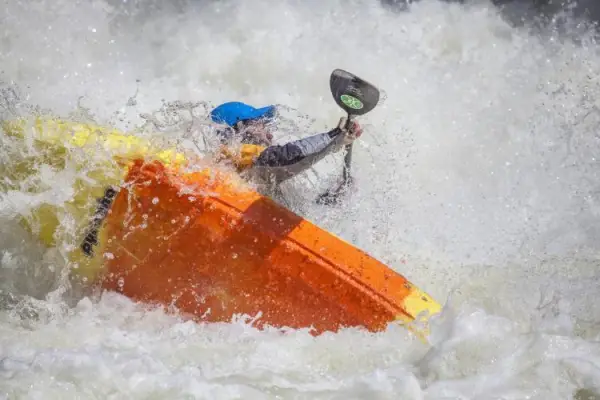
The Adirondacks not only have flatwater paddling options but whitewater kayaking, as well, but no matter the amount of adrenaline you want rushing through your veins, there are a few things you want to keep in mind when heading out there.

PFDs and Life Vests

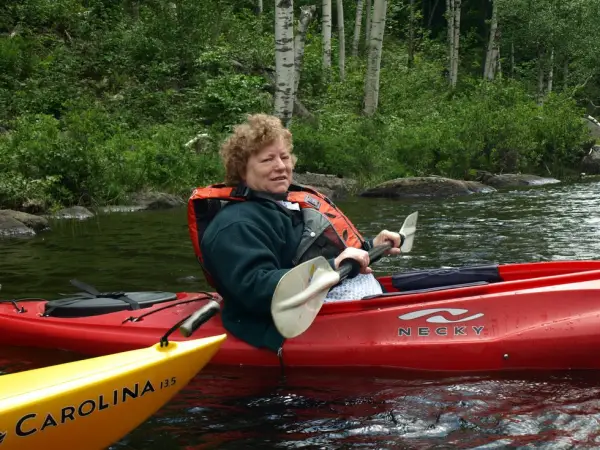
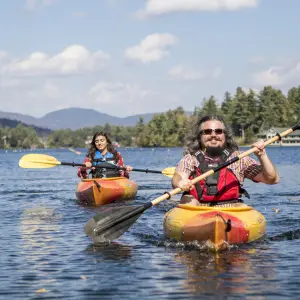
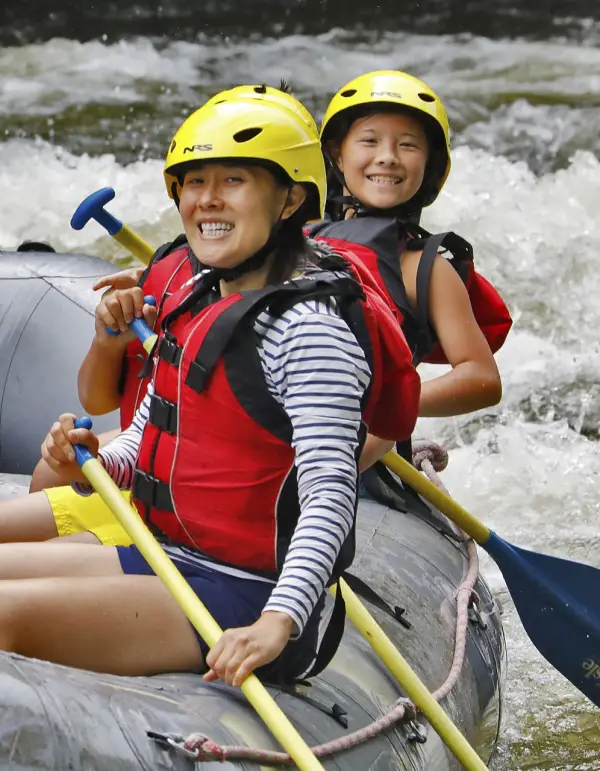
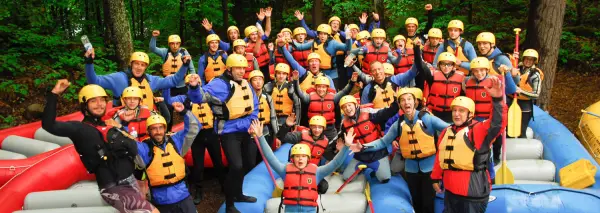
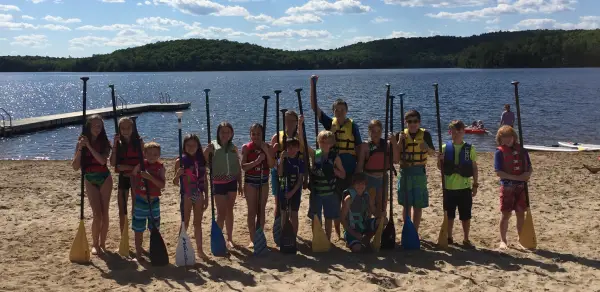
A personal floatation devise or life jacket should be worn at all times. When selecting which one to wear, make sure it is sized correctly and fitted to your body securely. There are different types of PFD's that made specifically for kayaking, canoeing and whitewater paddling. These are constructed with safety and comfort in mind. A type III PFD, certified by the USCG is recommended. Stop by one of Lake Placid's gear shops to speak with someone who can make sure you have the correct fit with your life vest.
Choosing the Right Kayak or Boat

Whether canoe, kayak, SUP or whitewater you need to choose a boat that you will enjoy. If you are kayaking Lake Champlain or the Saranac Lake, an 8-foot kayak might not be the best choice. If you are paddling the Oswegatchie River you shouldn't bring a 16-foot kayak. If you are going whitewater paddling, don't pick out a sea 

kayak. Not only for safety is this important but for efficiency and enjoyment as well.

Type of Water in the Adirondacks

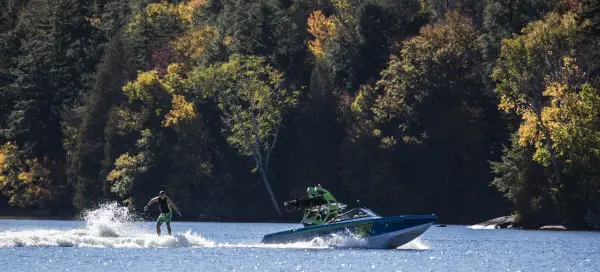
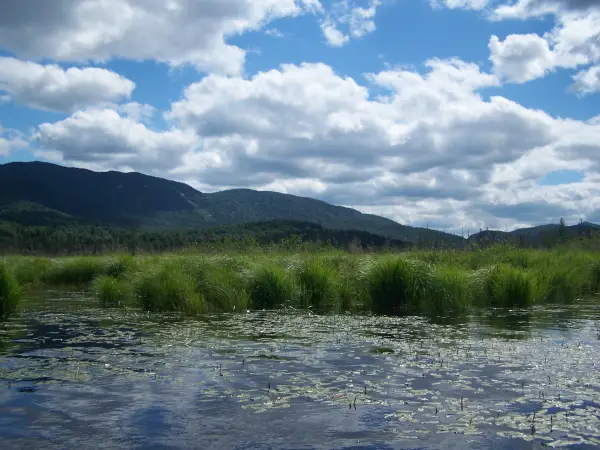
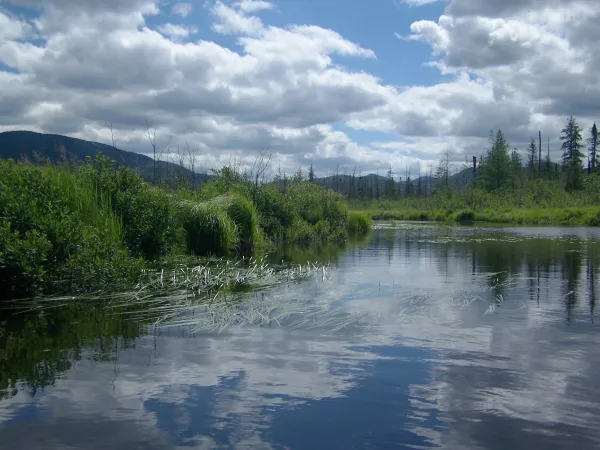
I know what you think, water is water. In a way you are kind of right but it's a bit more in depth than that, no pun intended. Big lakes that are less sheltered with trees tend to have bigger waves and are much harder to navigate. Big lakes also open up the opportunity for motorboats that can be hazardous. Adirondack lakes and ponds can be very shallow in areas, which can create more waves than deeper water, so a change in weather quickly change your paddling experience.

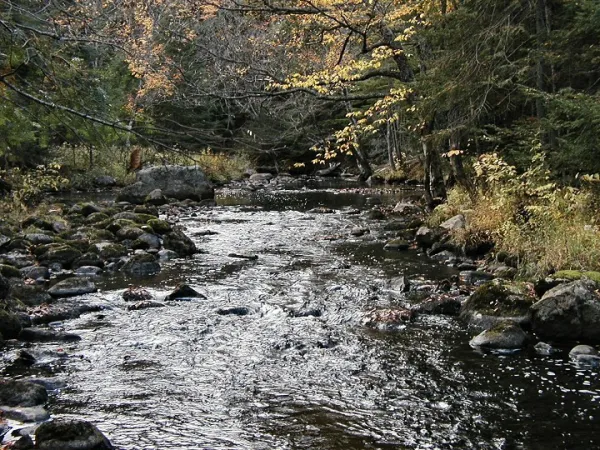
Rivers in the Adirondacks have a stronger current which can cause your boat to react differently, and cause you to tire more quickly. Be cautious of rapids and waterfalls when paddling rivers, and have a map and compass and know about the water you will be paddling. You have no better resource than locals, so don't be afraid to ask an Adiorndack outfitter or guide.

Weather in the Adirondacks

Changes in weather pattern happen very quickly all over the world, but the Adirondack Park seems to be a standard for rapid weather change. Be aware of potential weather before you set out and plan for the possibility of starting the day sunny and finishing it in a windy downpour.

Make a Float Plan

This is simply a piece of paper with your plan for the day on the water for someone just in case something happens. A float plan can be left in your car even, but better off with someone like a family member. With the float plan you should have the appropriate flatwater paddling gear for your trip. Some things to include on your float plan:

  • Where you're leaving from
  • Where you're headed to
  • Any planned stops
  • Members of your party, contact information for the group, and emergency contact information

Overnight Trips in the Adirondacks

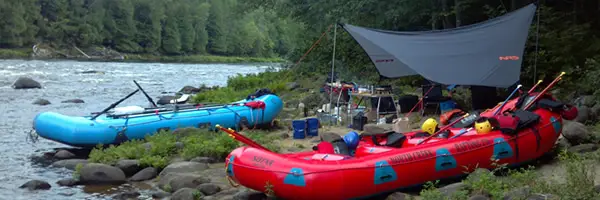
Overnight trips are a great option for the Adirondacks and within the park your options are seemingly endless. But with this you need to plan just as if you were backpacking back into the wilderness. Kayak or canoe camping opens up more options with gear and the ability to bring more luxury items; keep in mind though, what you bring in, needs to come out. Think of your boat like your backpack – it needs to be packed with stability and even weighting in mind as well. If you do plan on camping please do so in designated areas. Check the local requirement and regulations before you head out.

Fishing While Canoeing or Kayaking

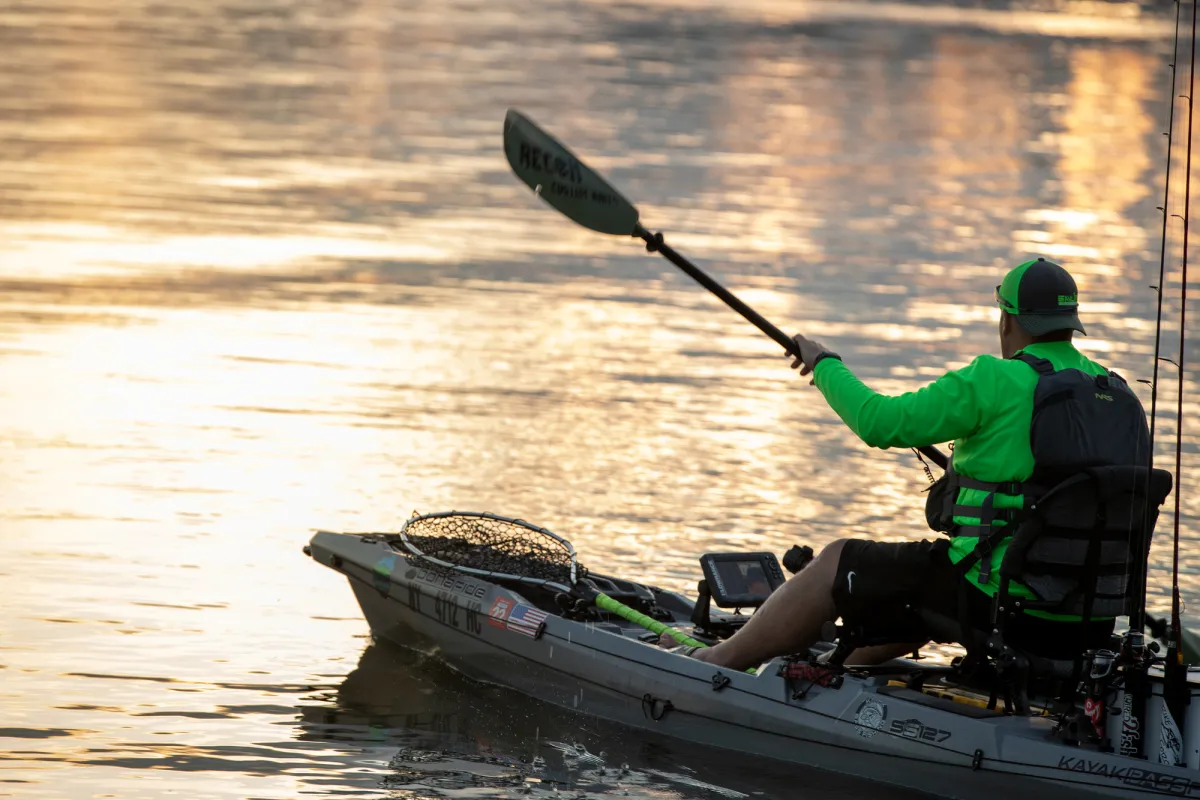
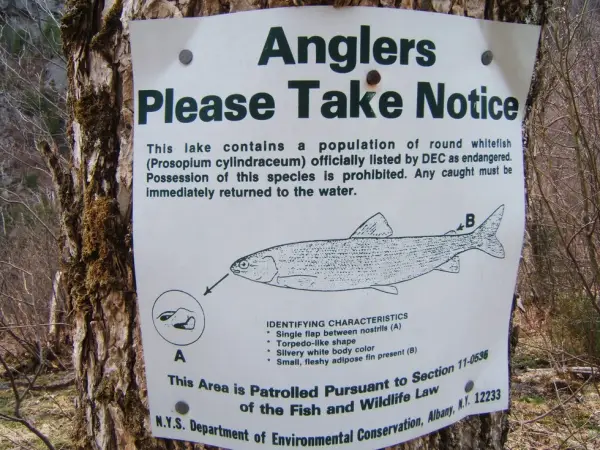
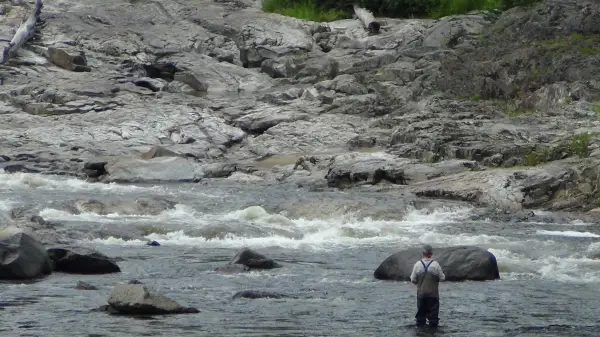
Fishing and paddling has always been a great mate for each other – maybe not whitewater paddling so much but, you get the point. Be sure to check local regulations before you head out. Some regulations are specific to bodies of water. Pick up a fisherman's guide of fishing regulations at any local NYSDEC office and learn about fishing in Lake Placid.

Paddling Lessons

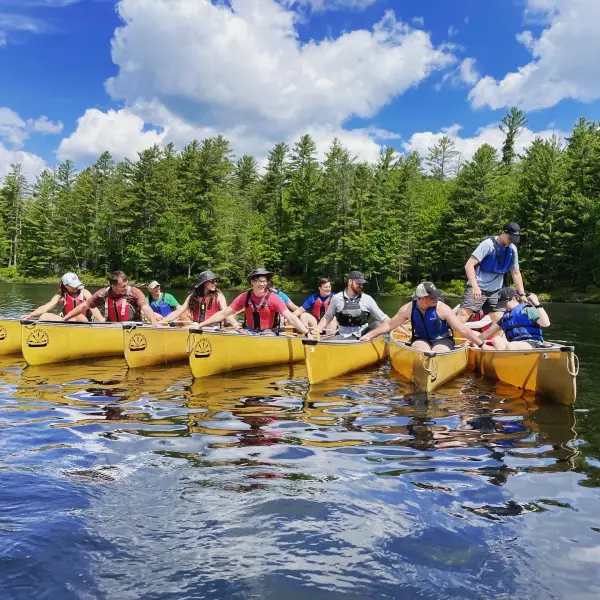
If you have never paddled before, we encourage you to take a lesson from a local guide service. Many guides offer a 2-hour introductory course for a very reasonable price, and will help get you ready for exploring the Adirondacks by boat.

Whitewater Paddling

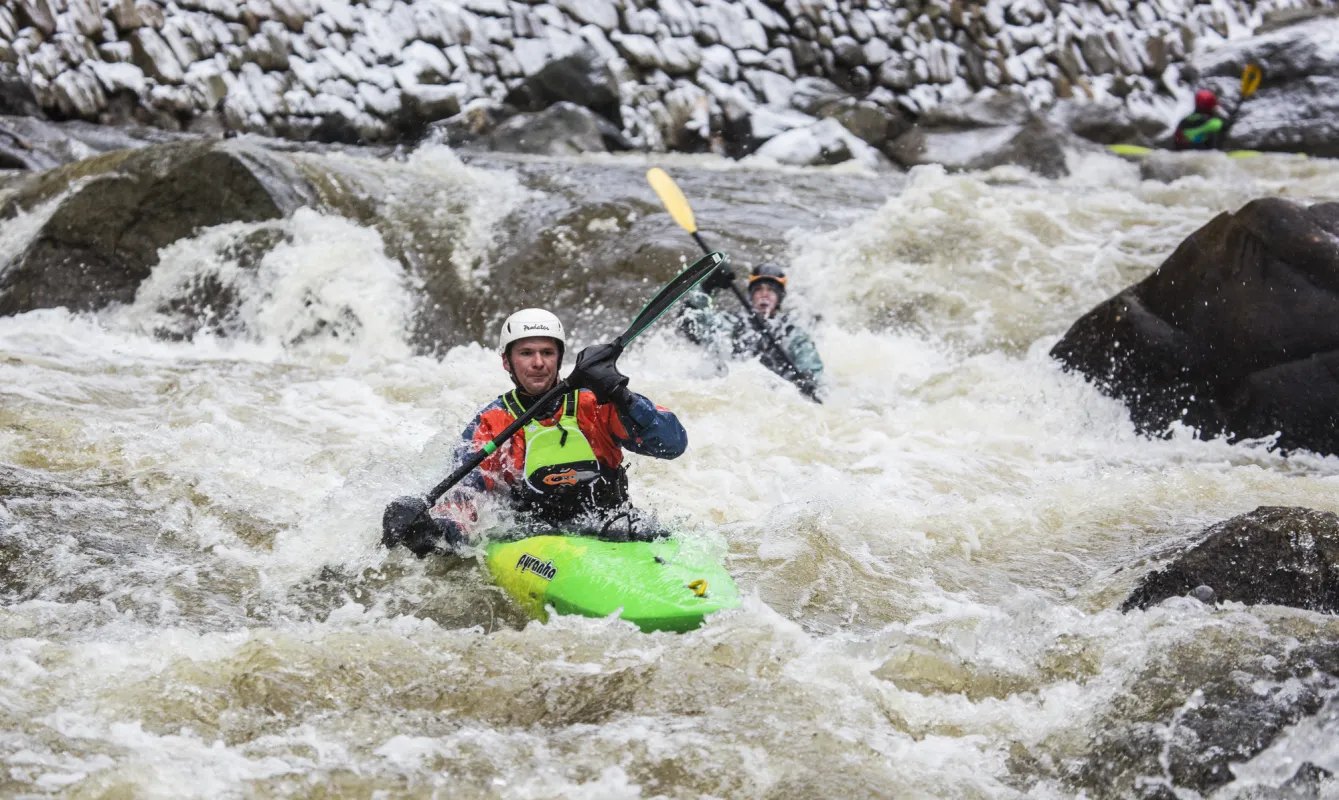
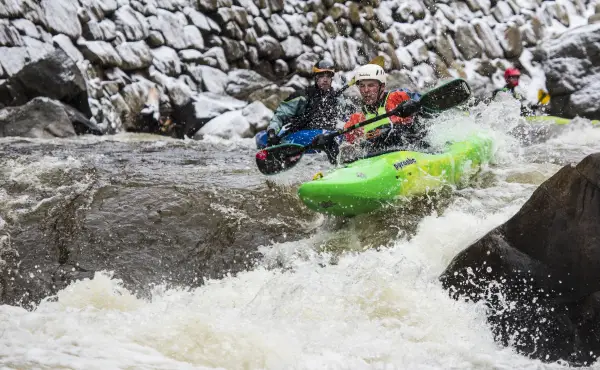
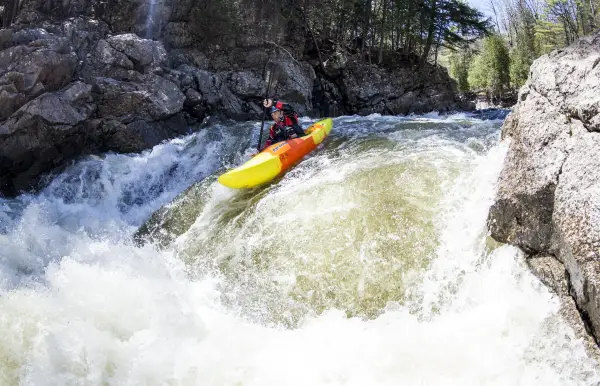
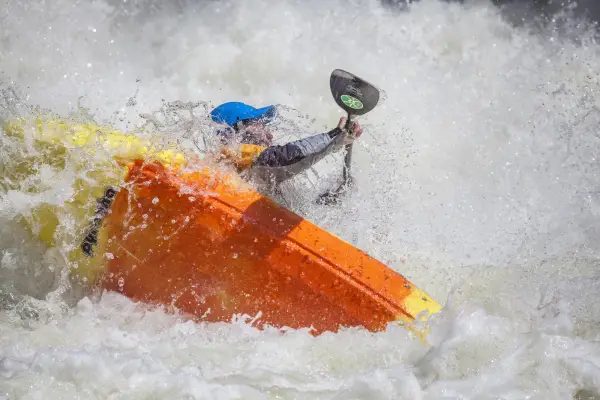
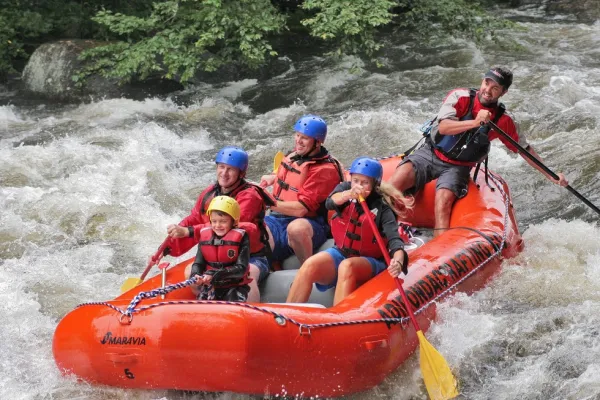
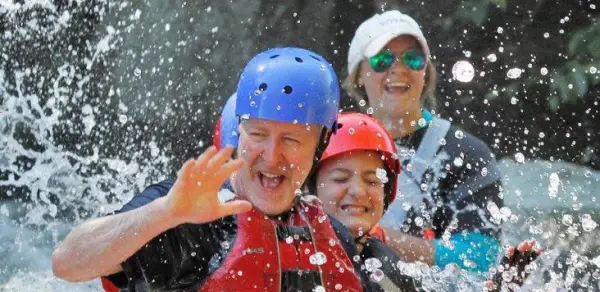
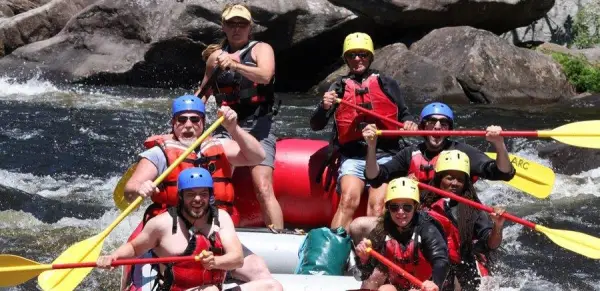
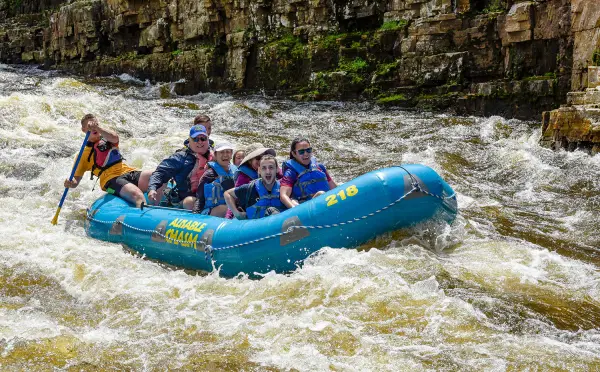
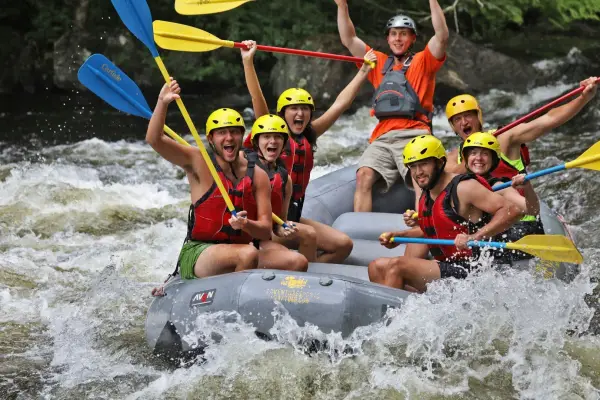
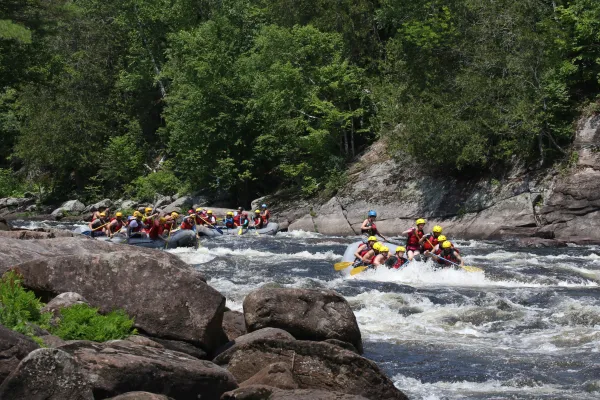
Whitewater paddling requires a special boat, gear and experience. You should work witha guide before attempting any sort of whitewater paddling. Spring time brings the best whitewater experience: as the snow melts out of the mountains and the spring rains start to settle in, the rivers swell and you will start to see more whitewater boats on the waters and atop cars. Some areas of the Adirondacks offer year-round whitewater experiences, some of which include whitewater rafting. Learn about whitewater kayaking & canoeing in the Adirondacks, and plan an exciting trip today!

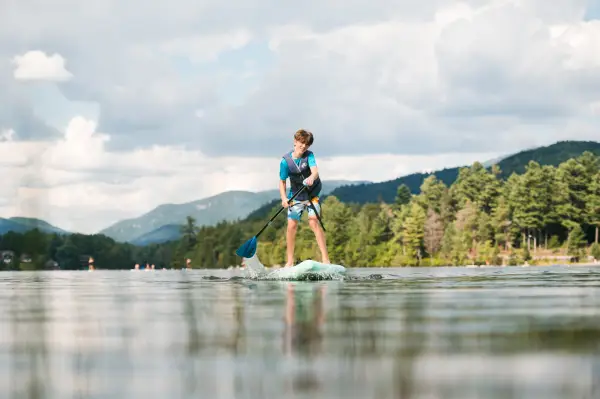
SUP (Stand-Up-Paddleboarding)

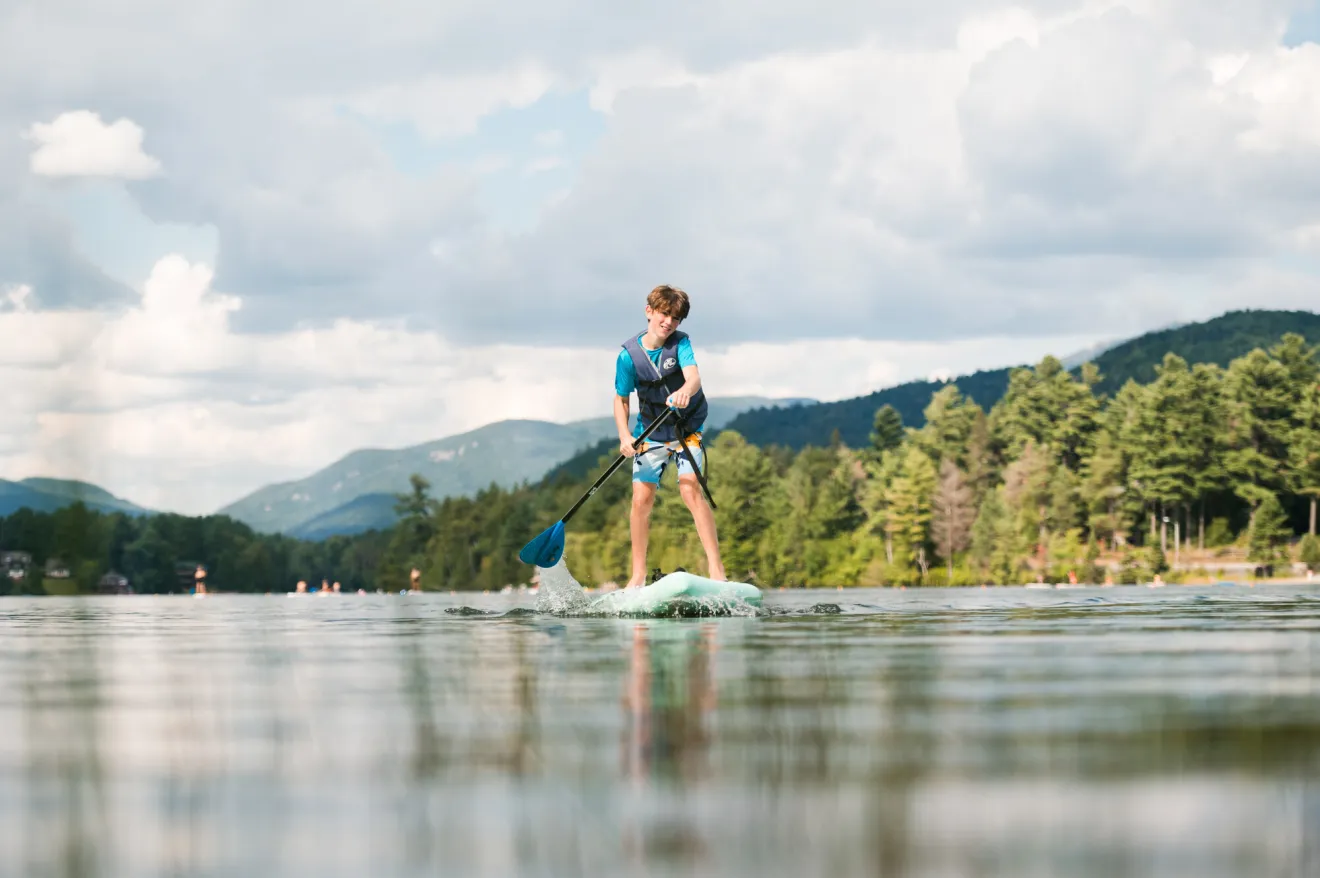
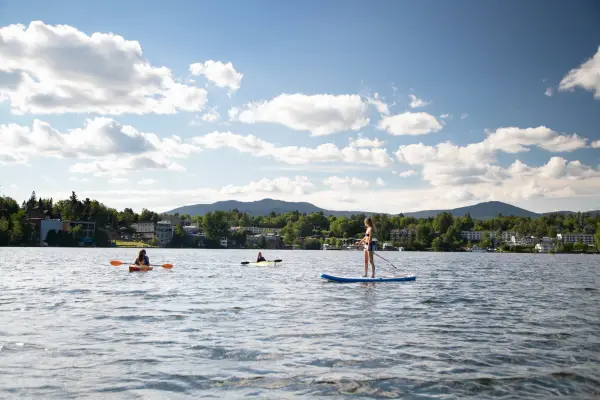
This is short for stand-up-paddleboard. This newer form of recreation is become more and more popular on flatwater and at times, whitewater excursions. While the learning curve is rather small for this type of paddling, it is recommended for safety and enjoyment to take a 2-hour introductory lesson with a local guide service.

Paddling map of the Saranac Chain of Lakes


Click on the image to download a map of regional waterways:  Ausable River, Chubb River, Saranac Lakes Chain, Saranac River, St Regis Canoe Area.

Paddling Results
Displaying 1 - 10 of 30